
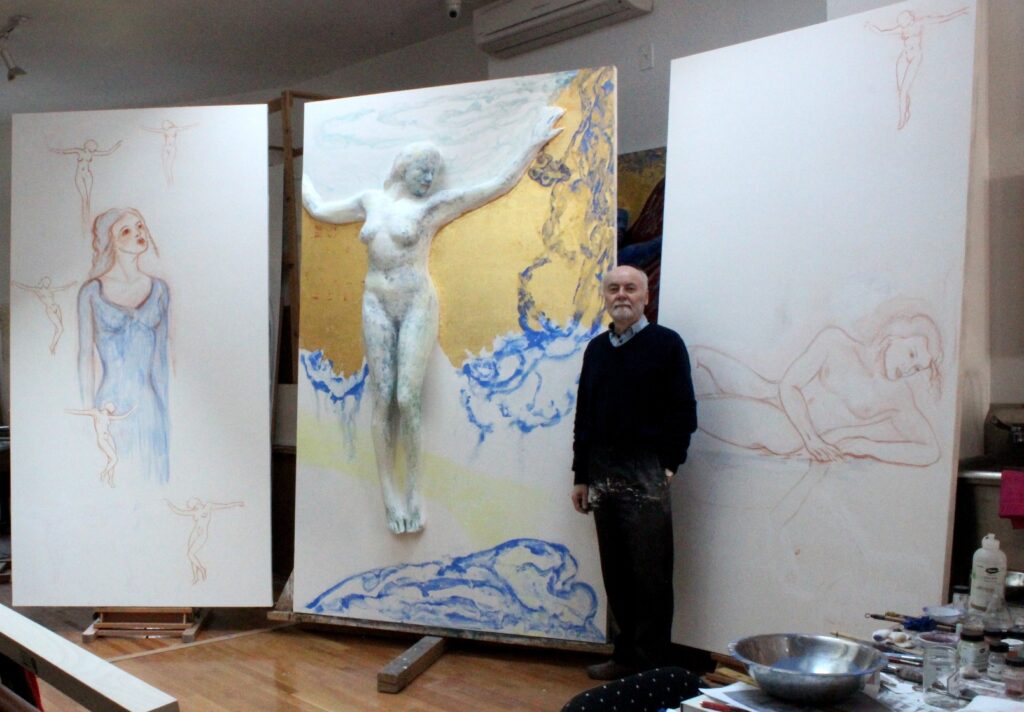

Natural Mineral Pigments
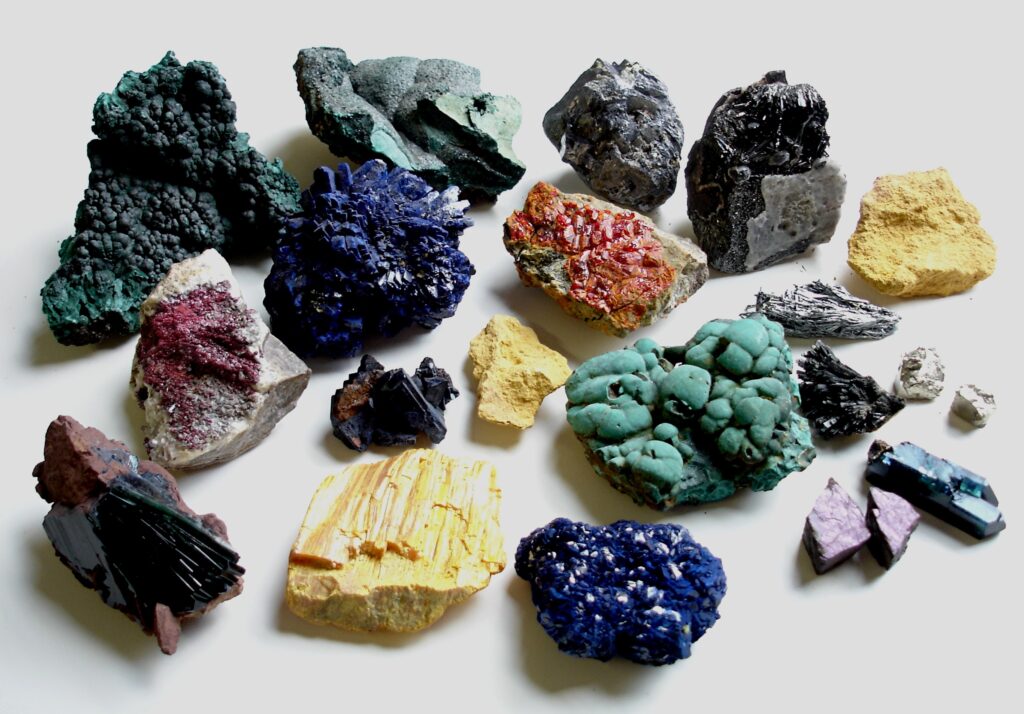
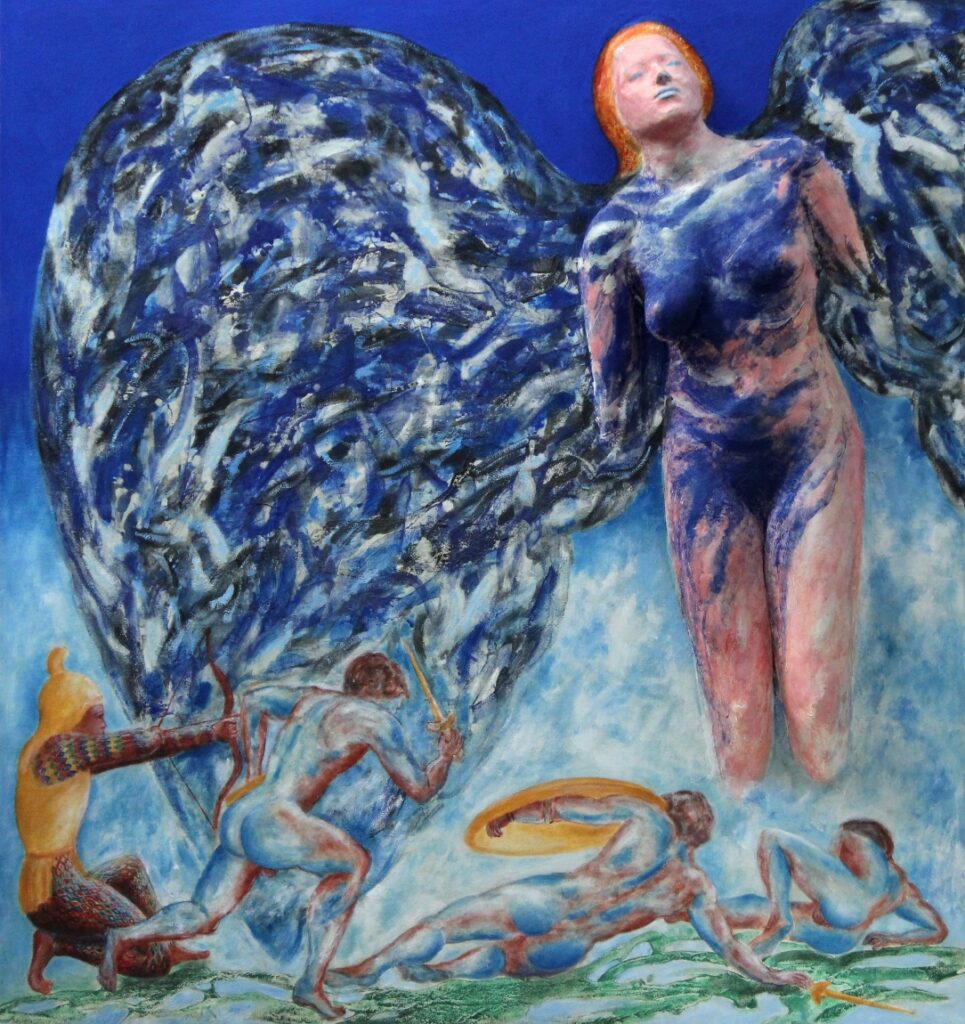
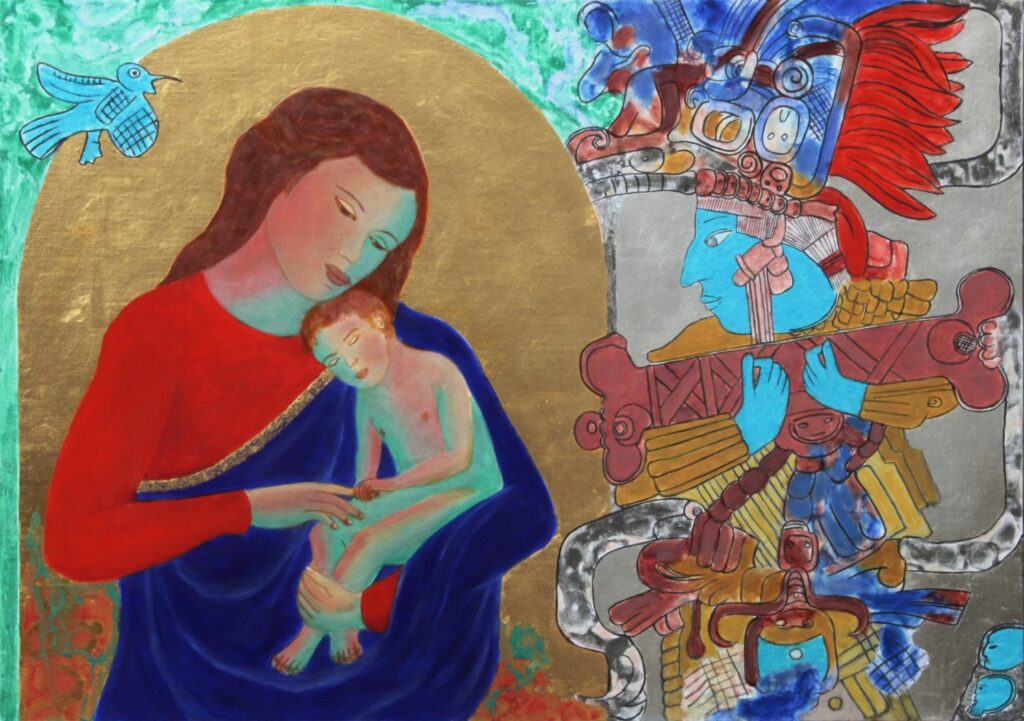
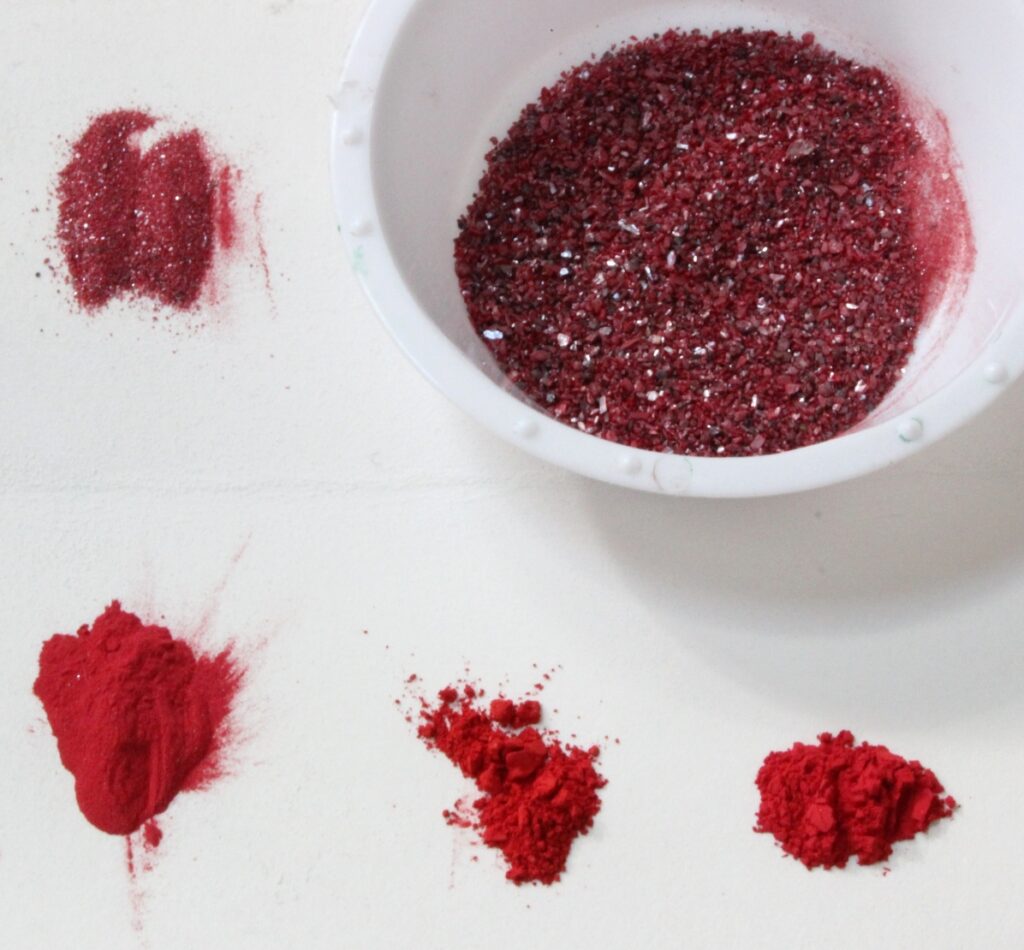
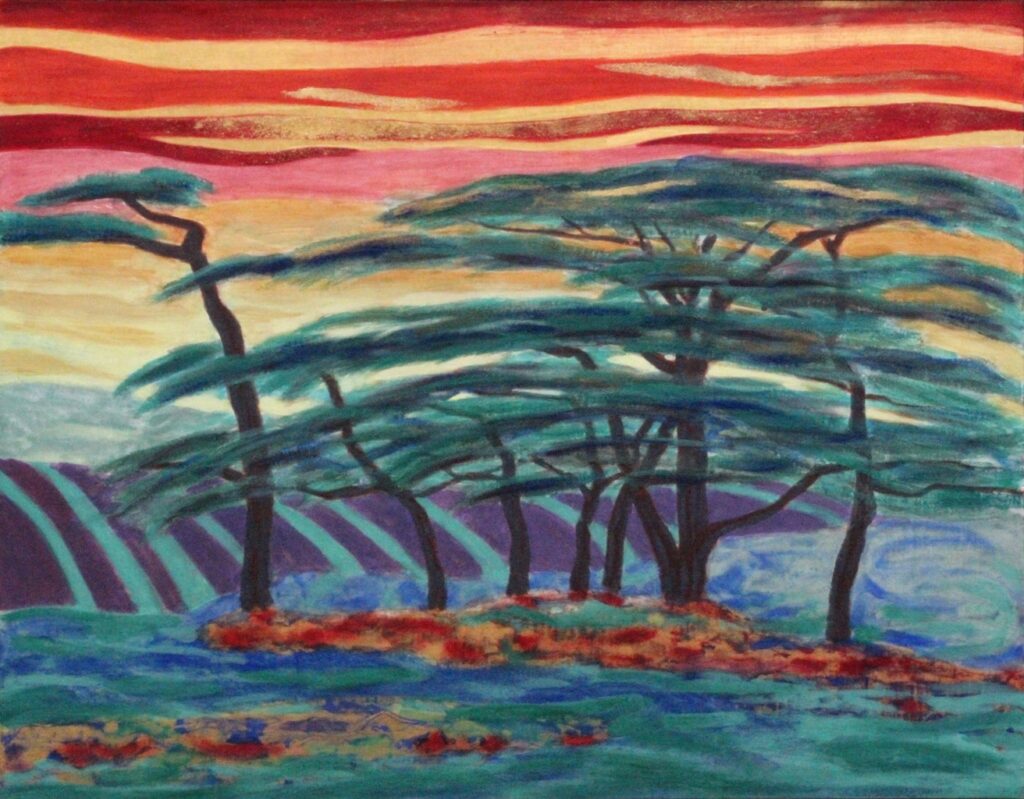
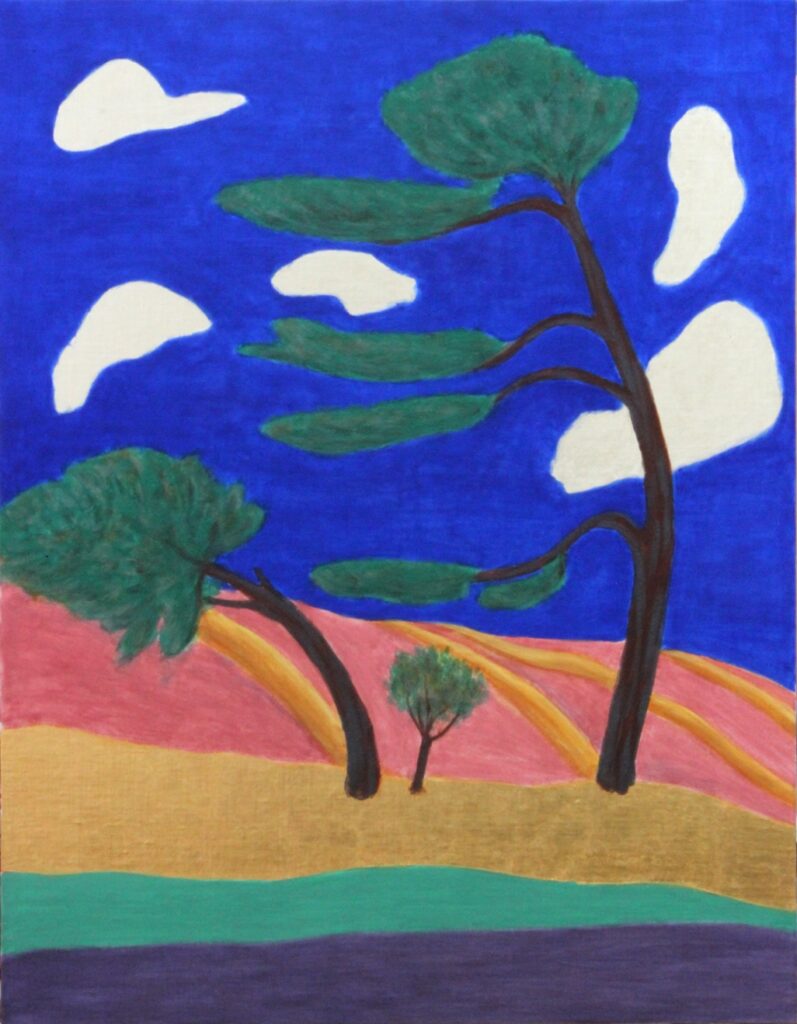
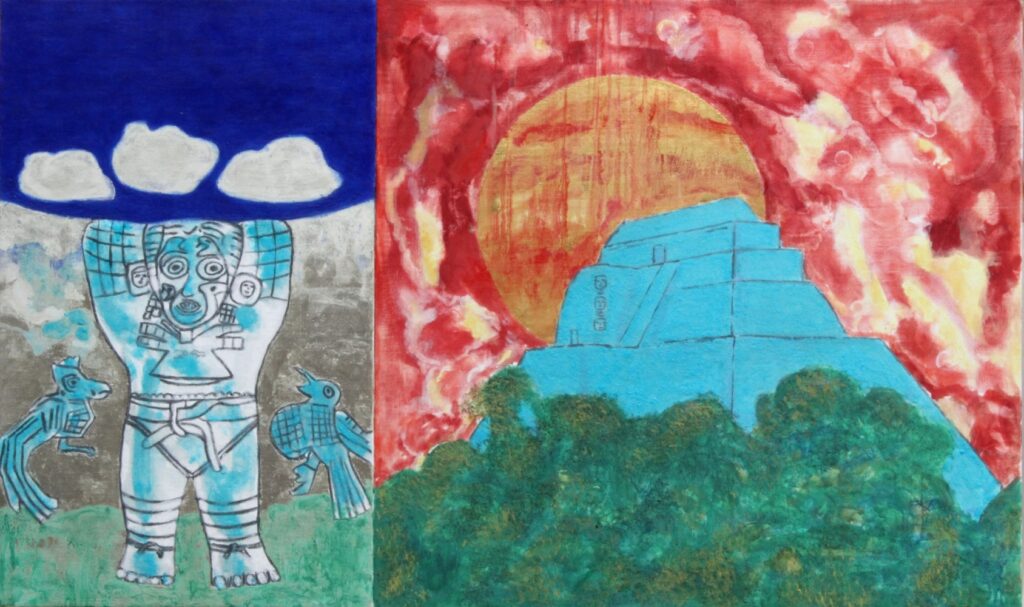
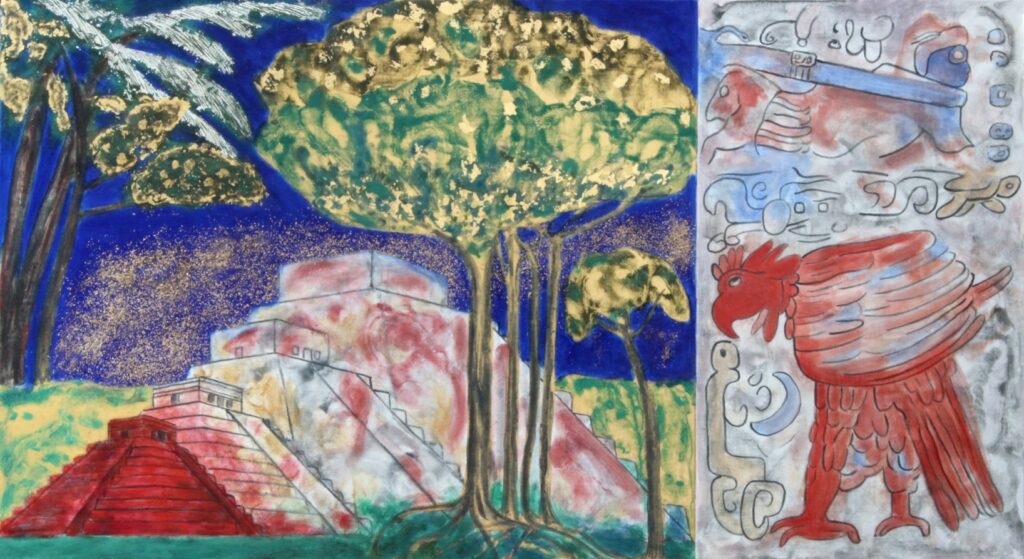
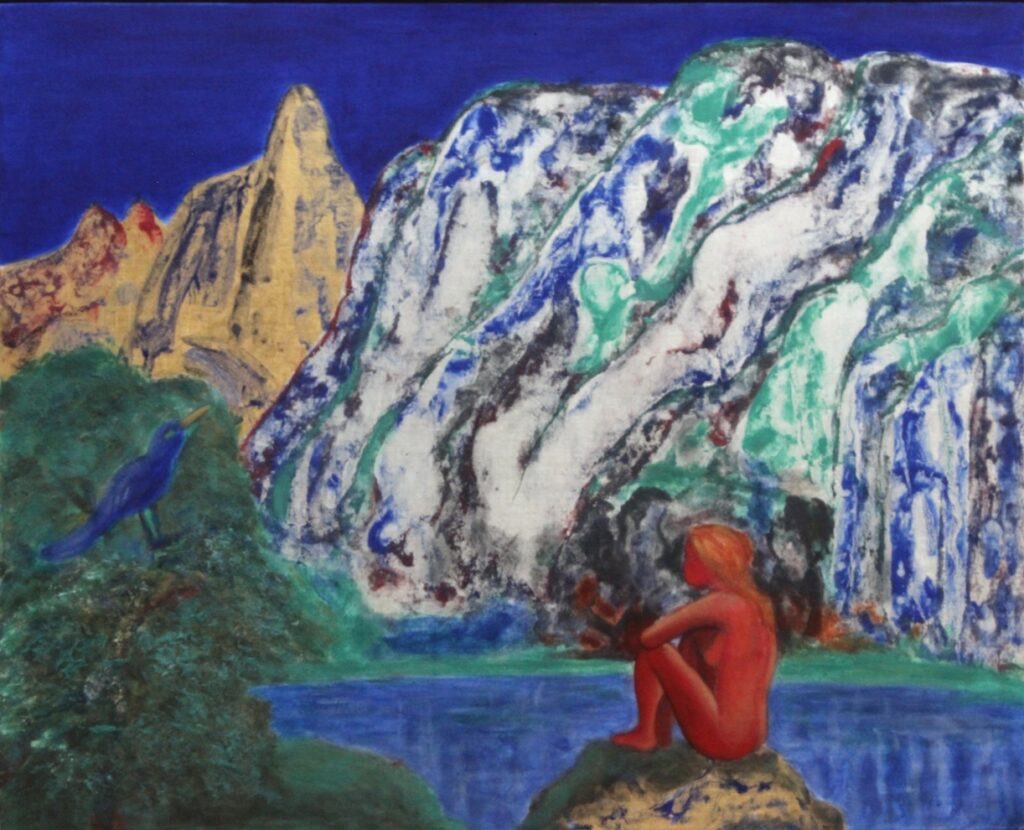
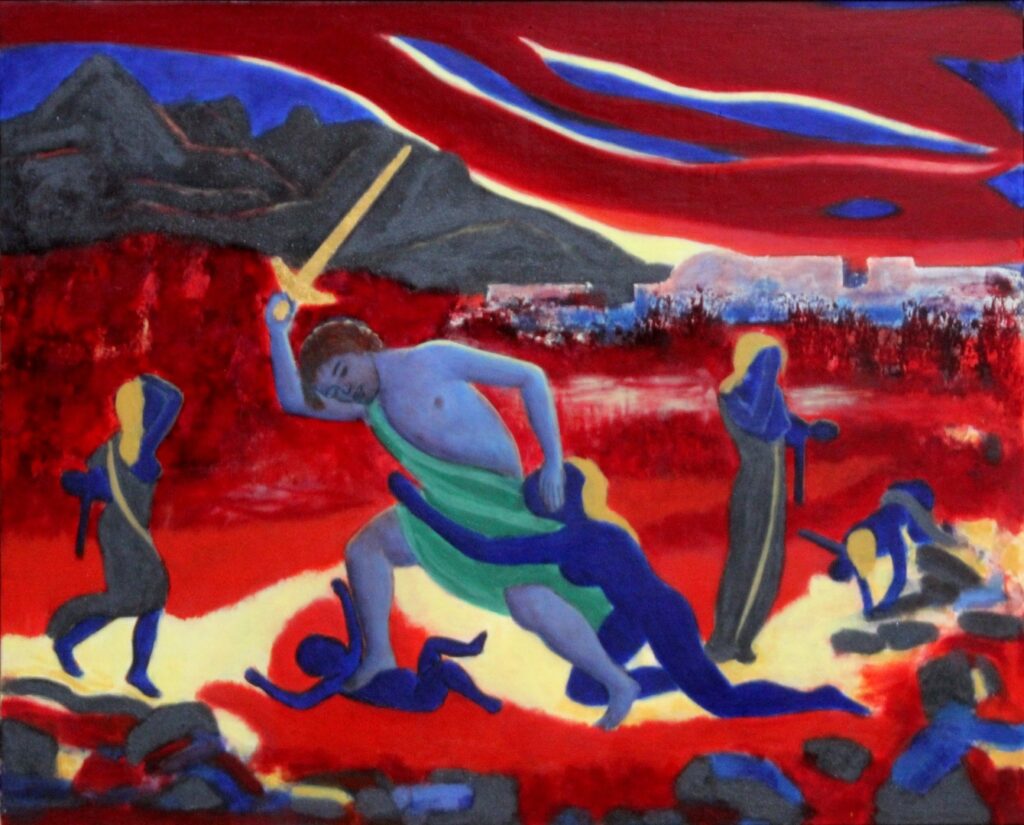
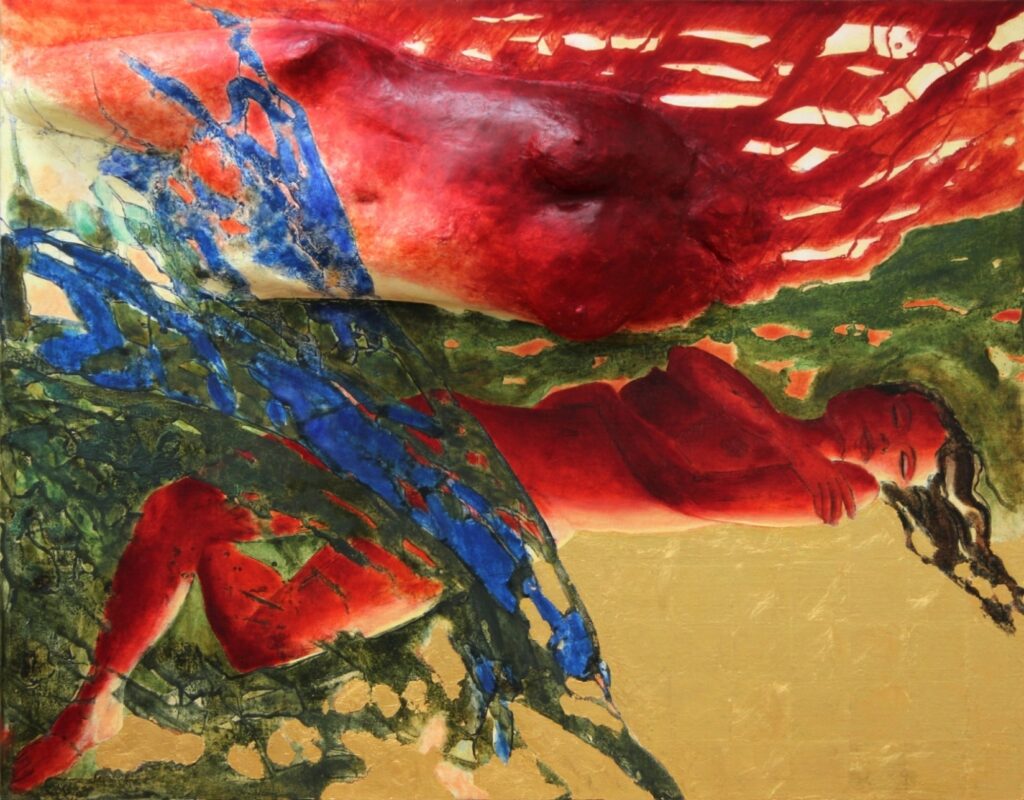
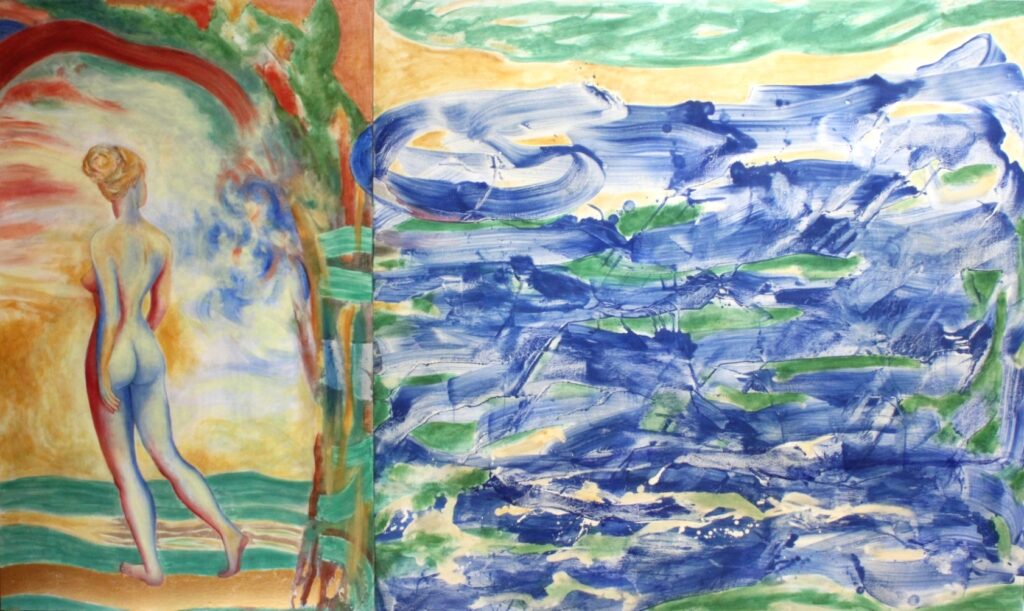
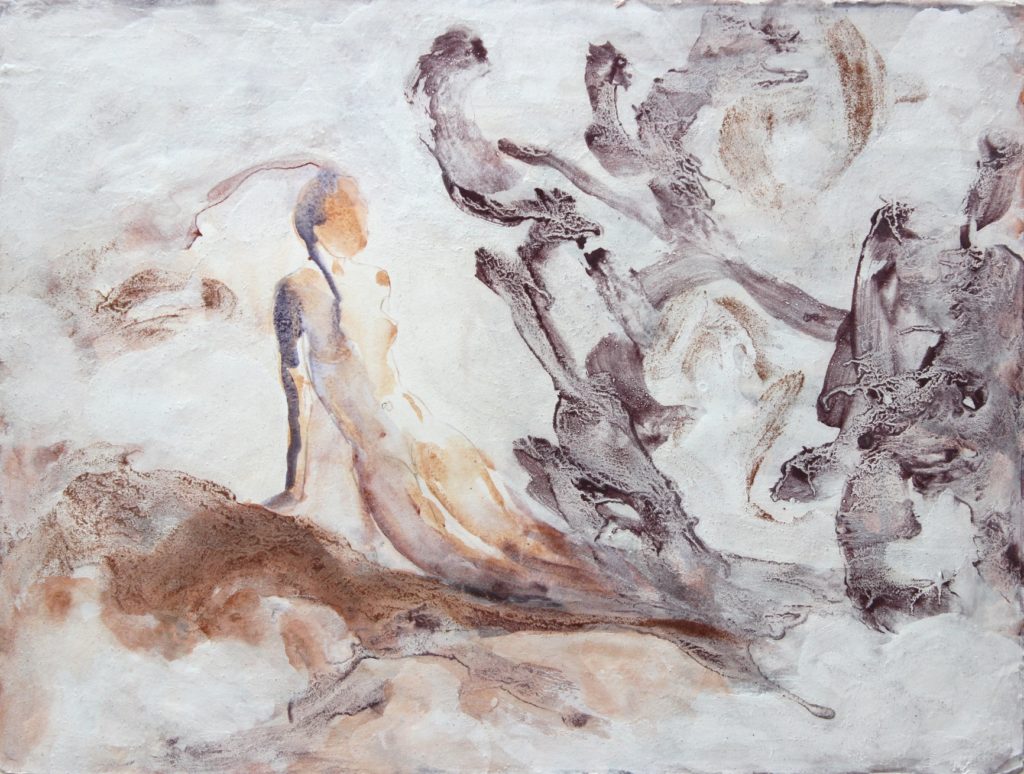
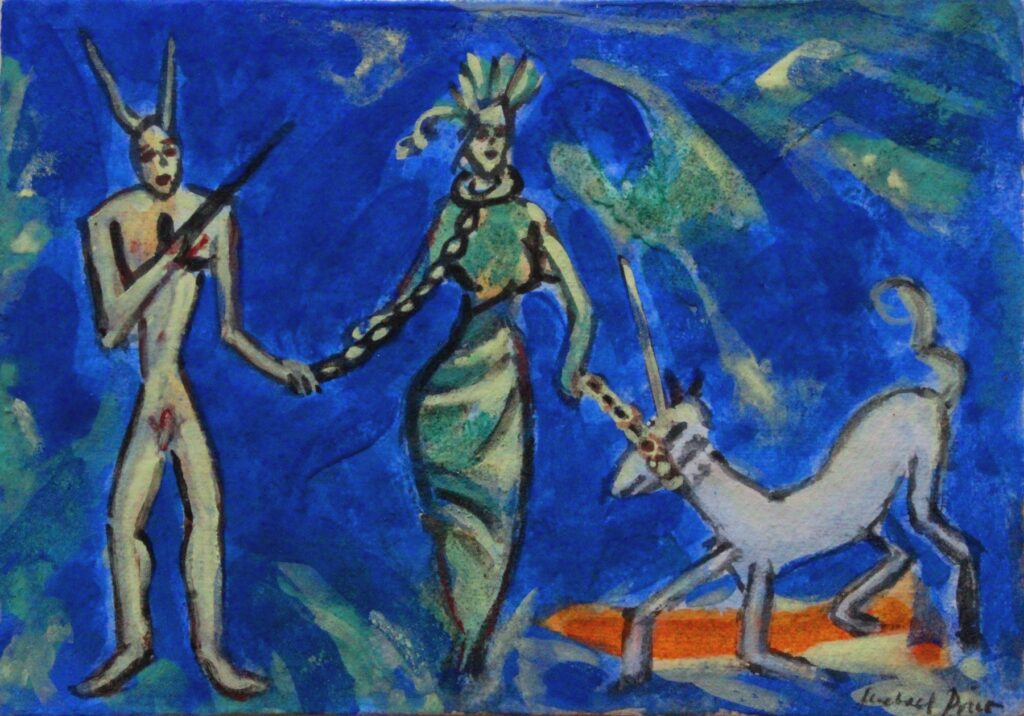
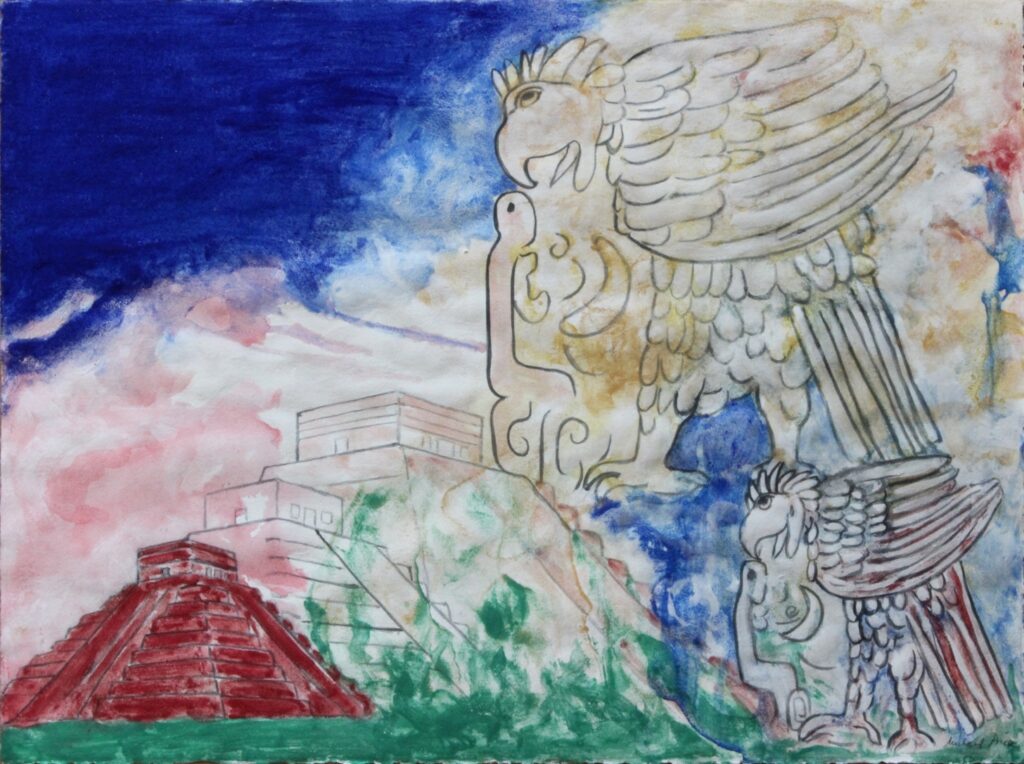
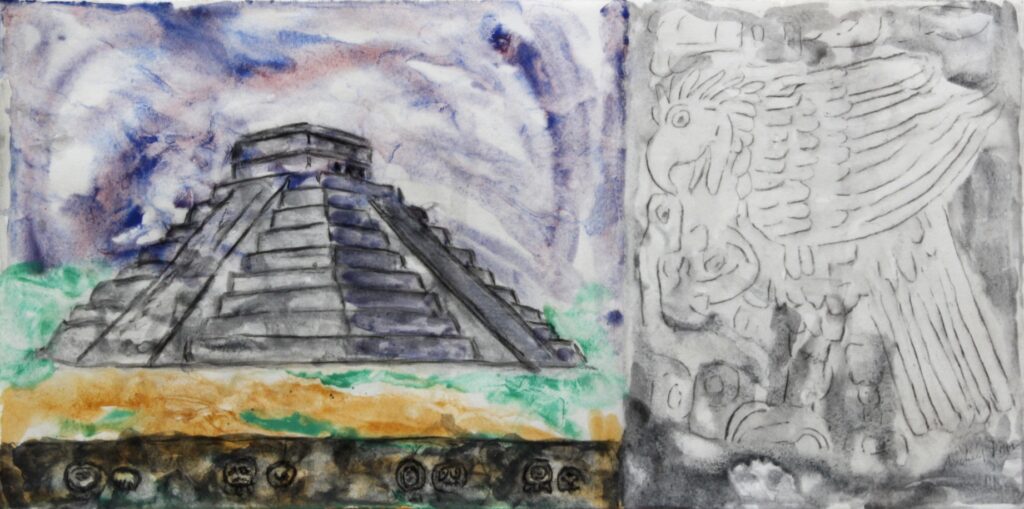
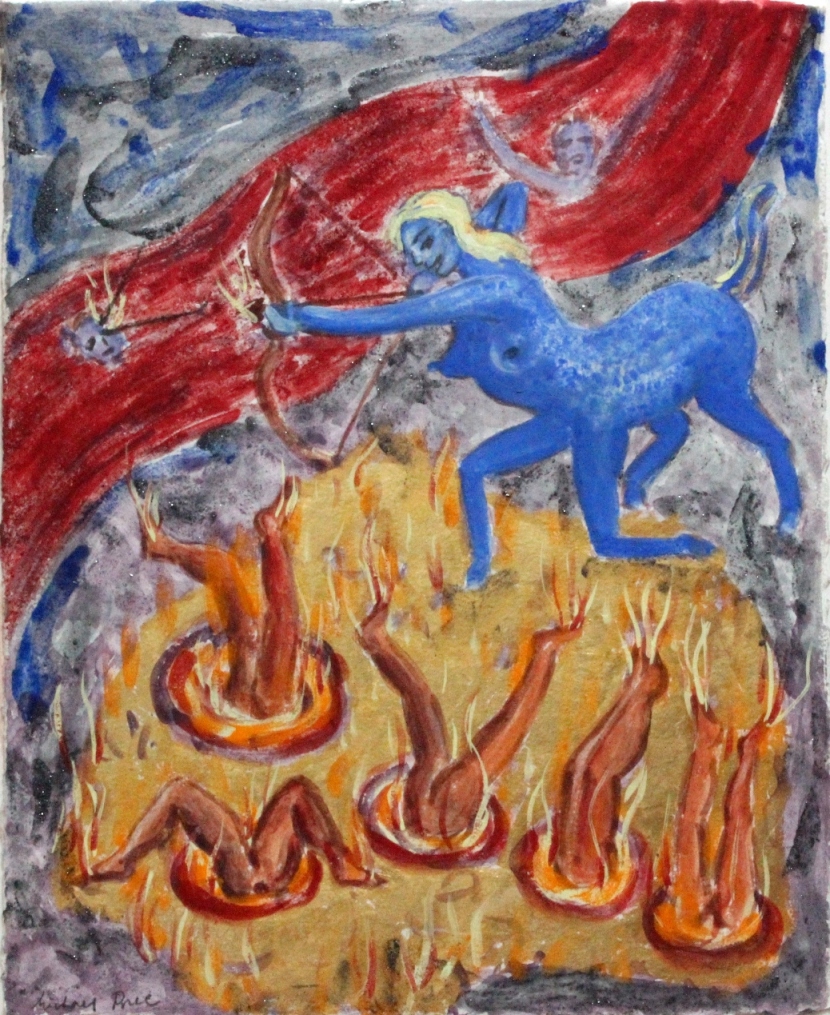
Michael Price’s published research documents the use of rocks, crystals and natural earths as tempera and resin-oil paint.

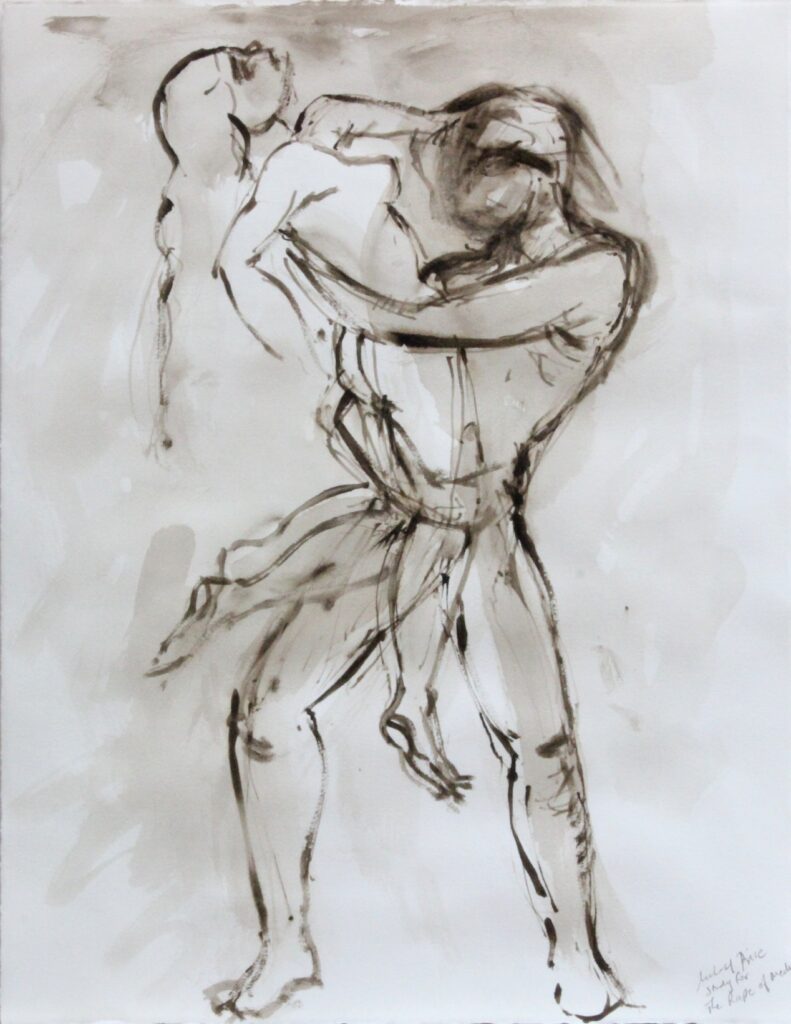
Works on Paper
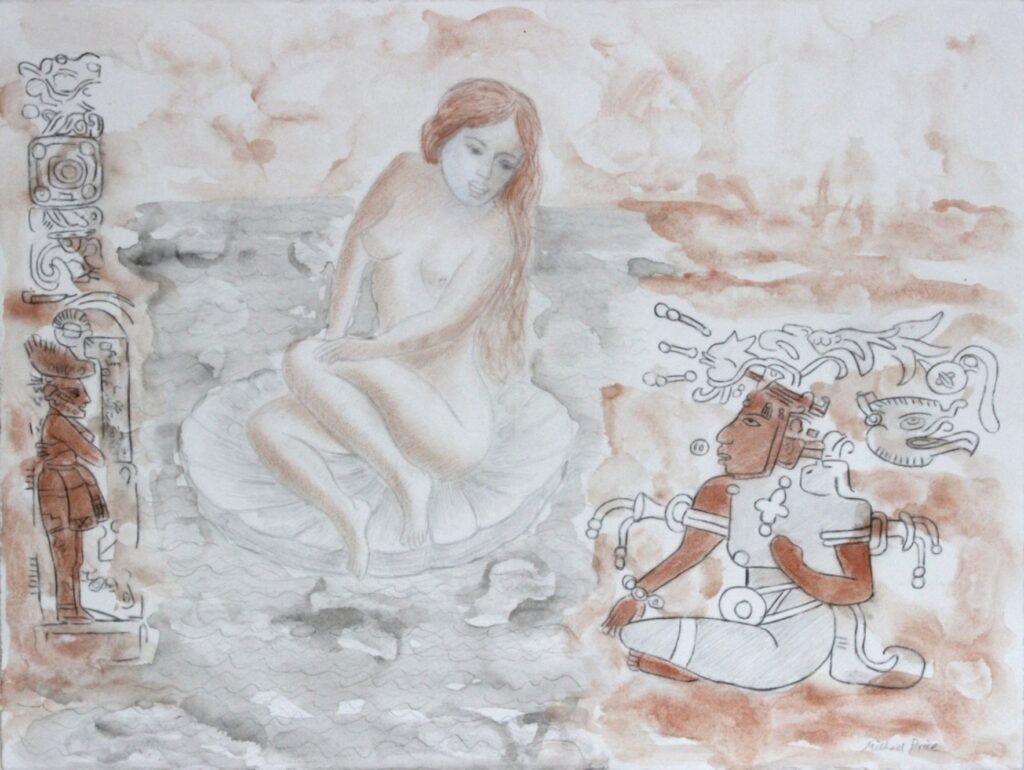
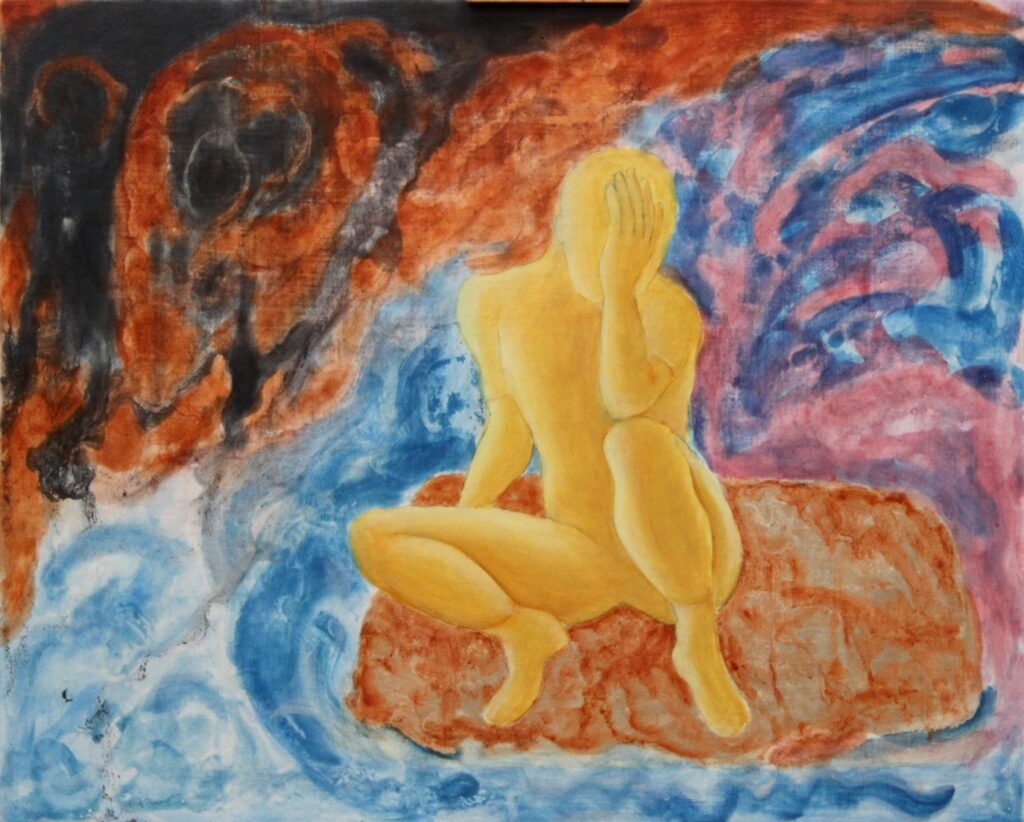
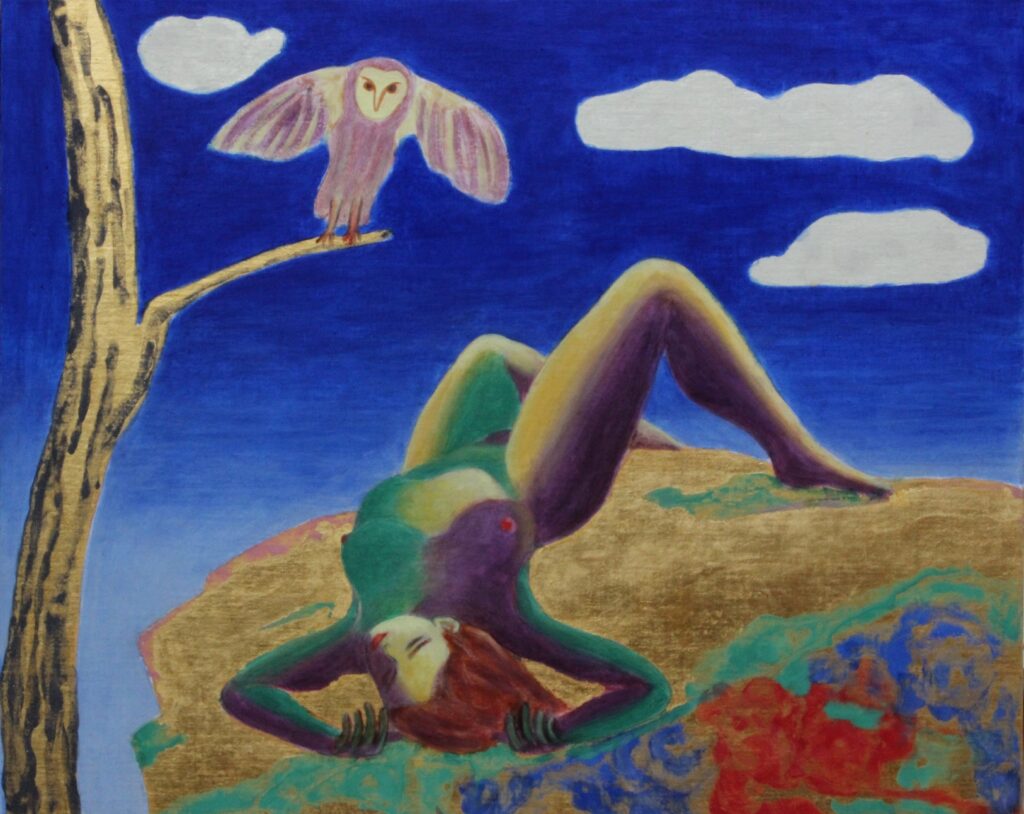
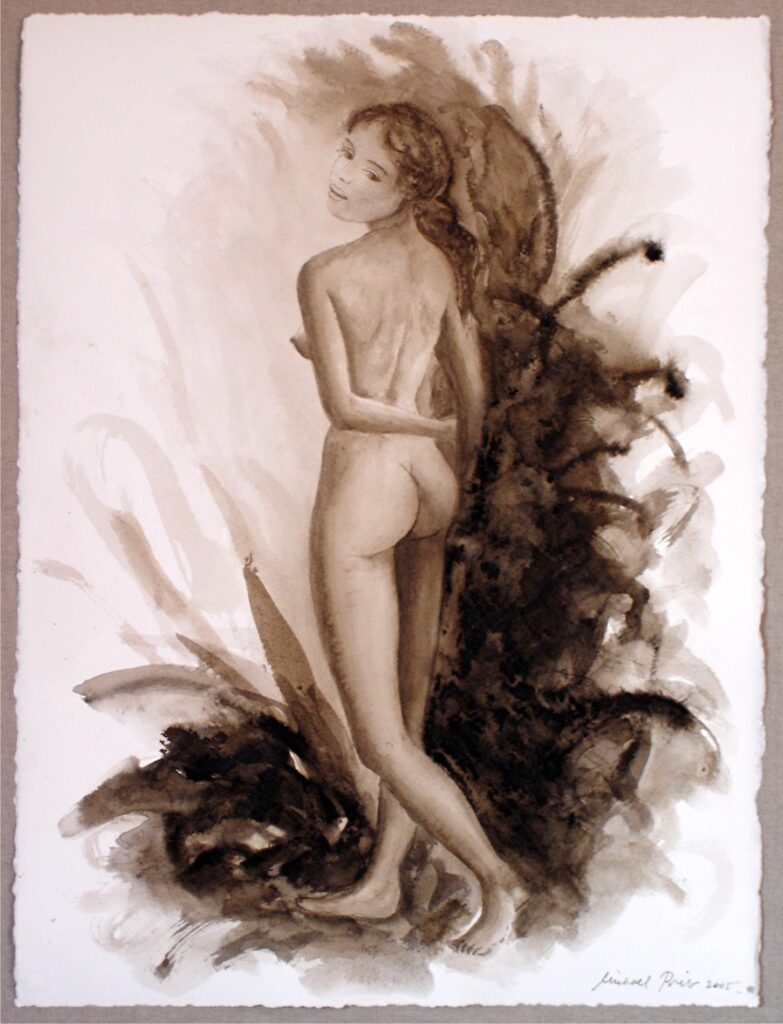
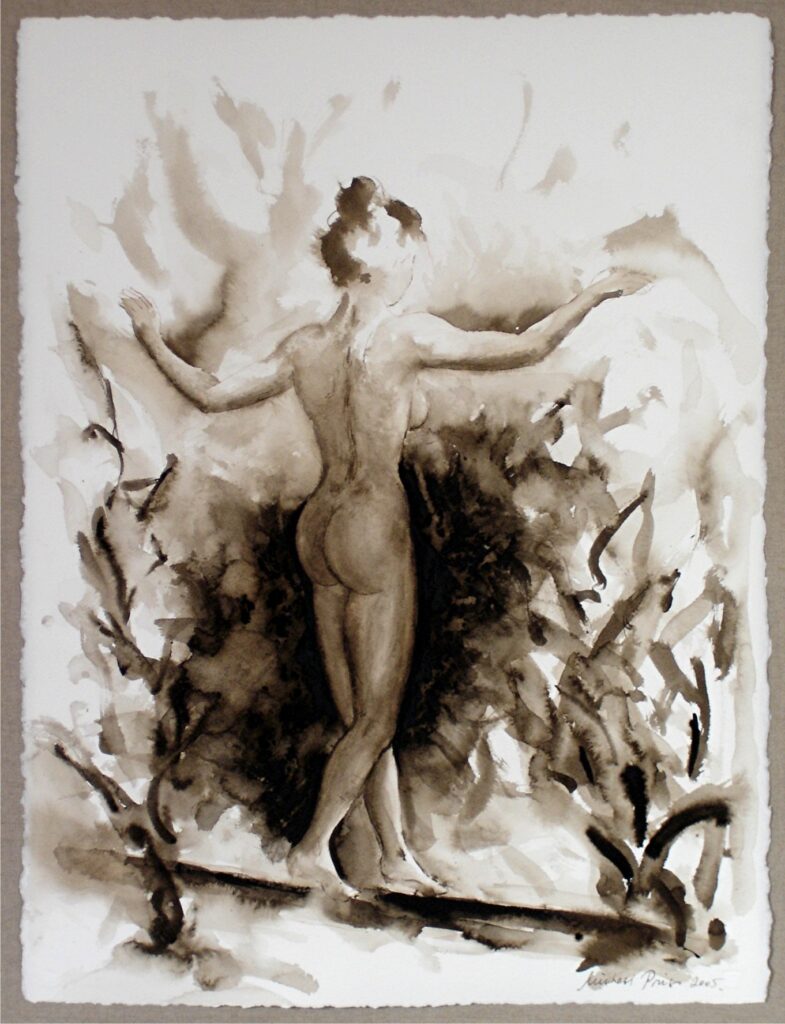
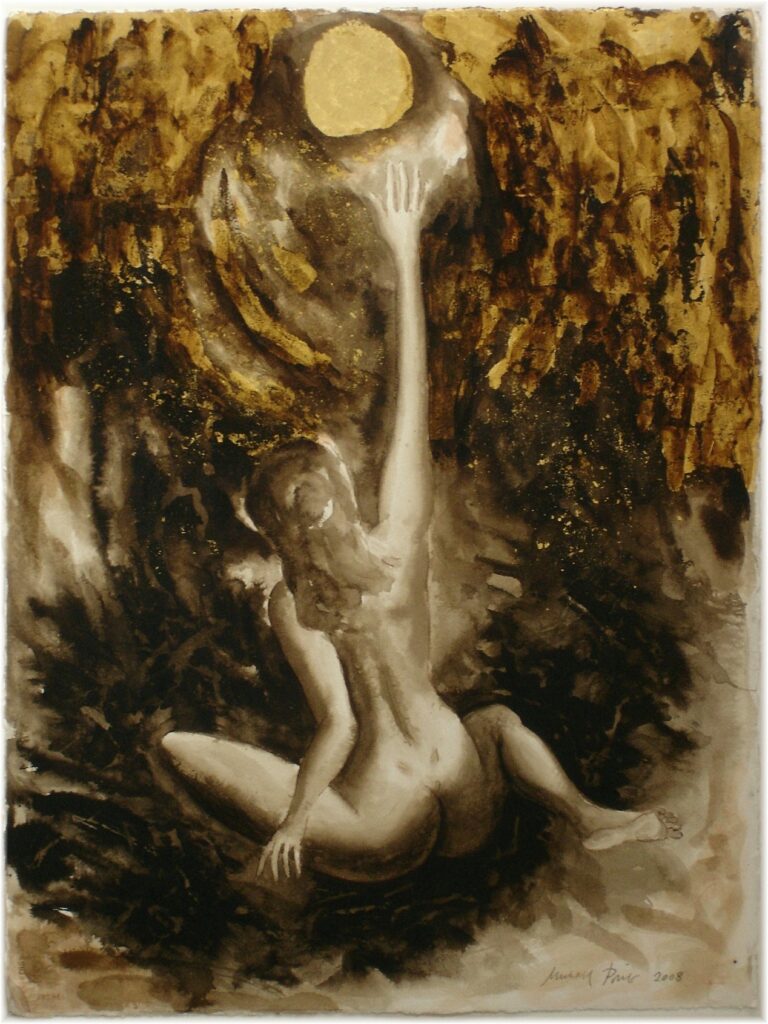
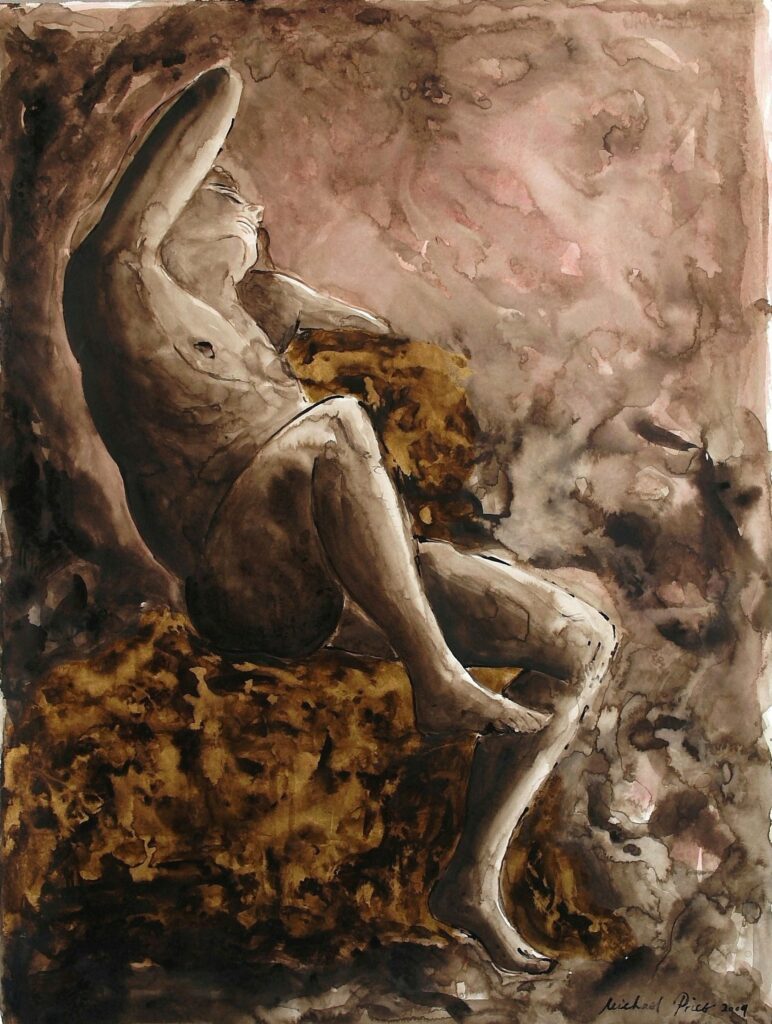
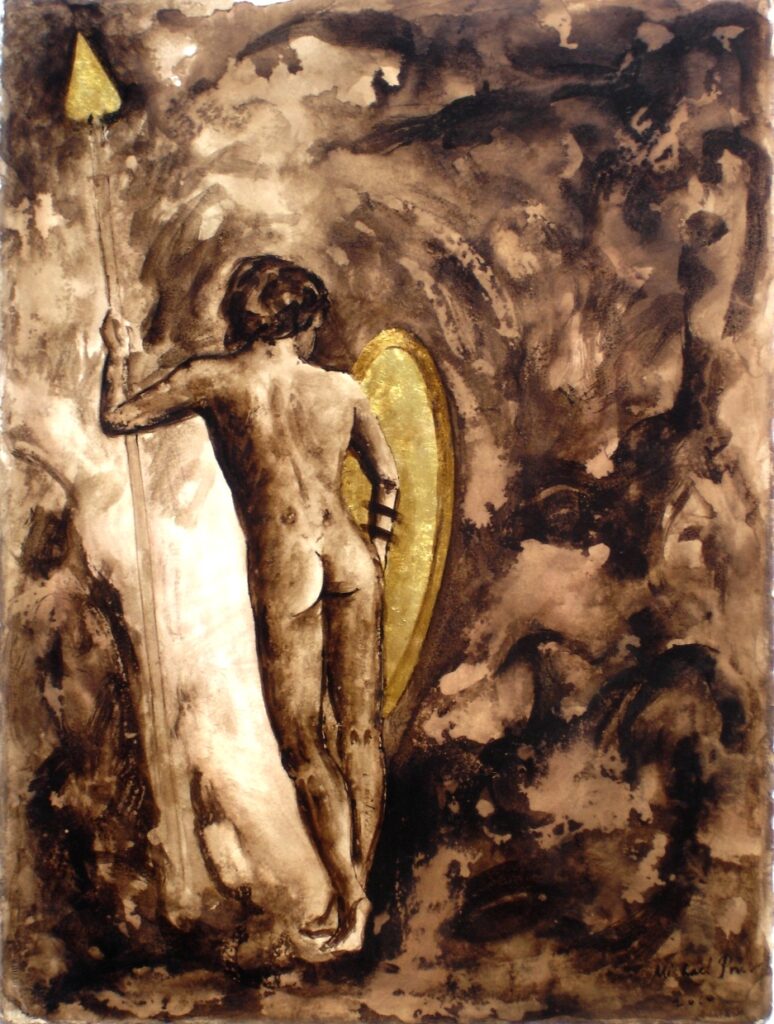
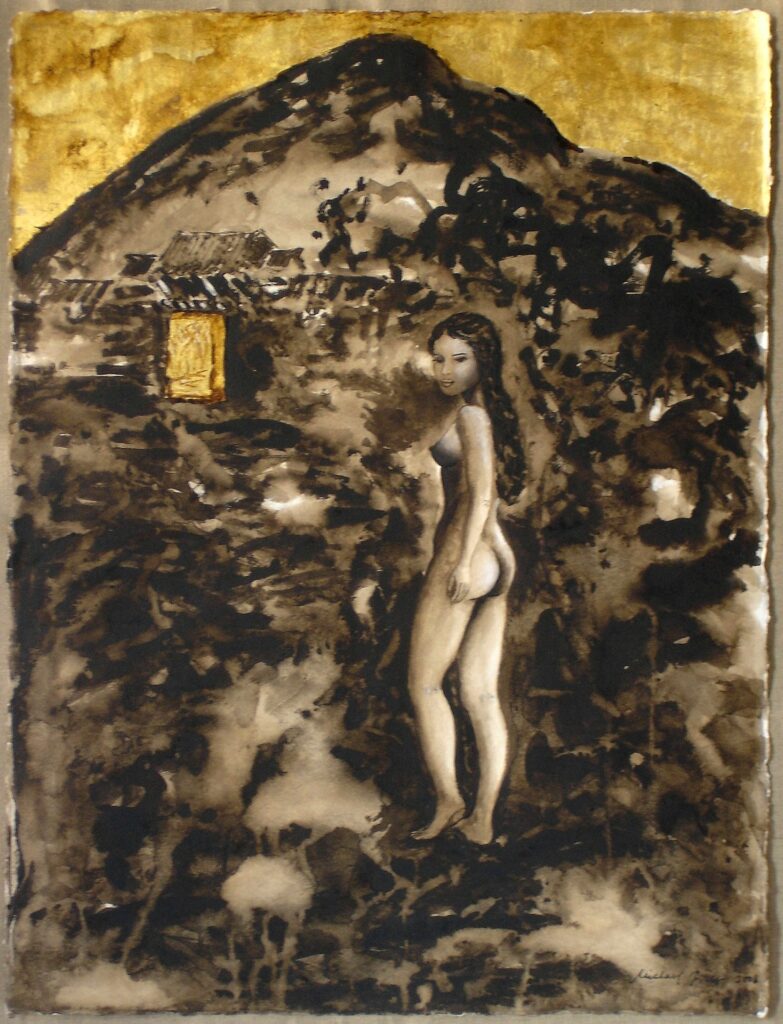
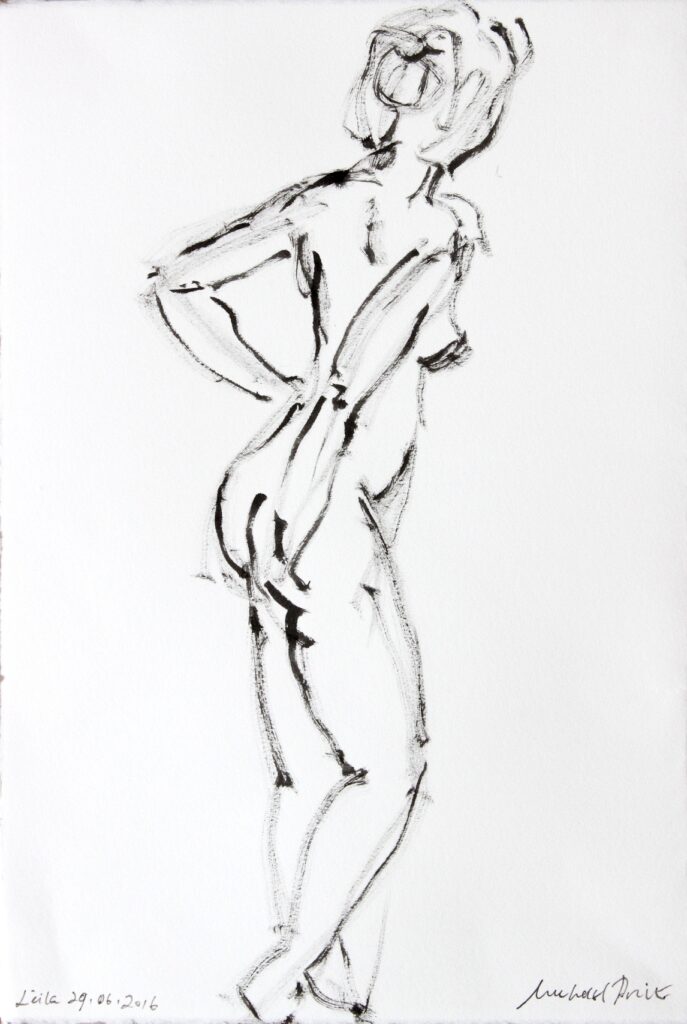
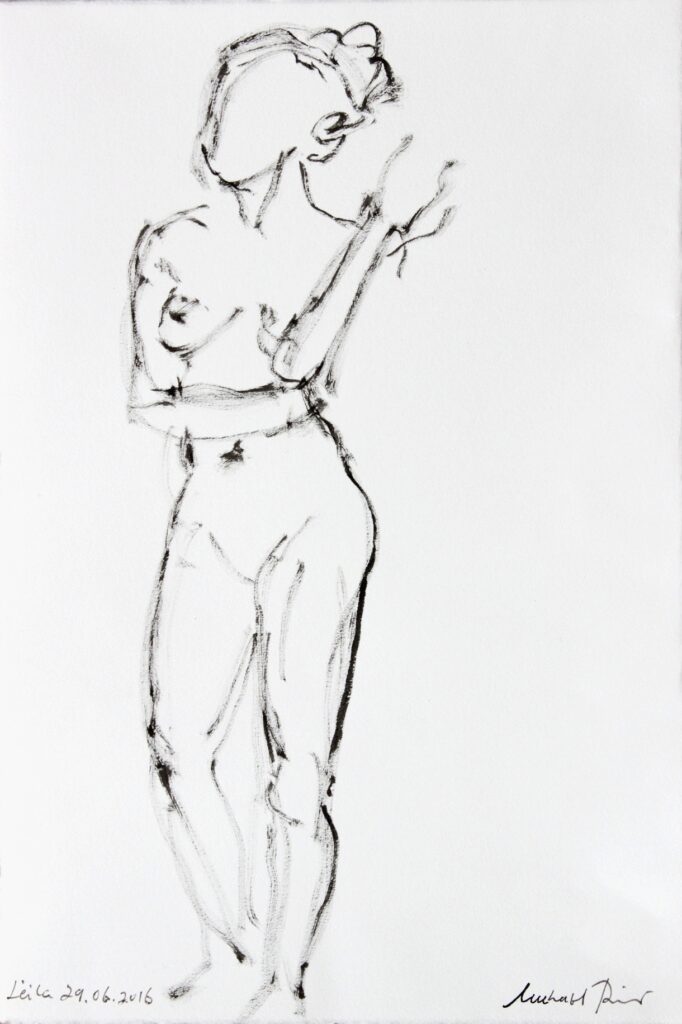
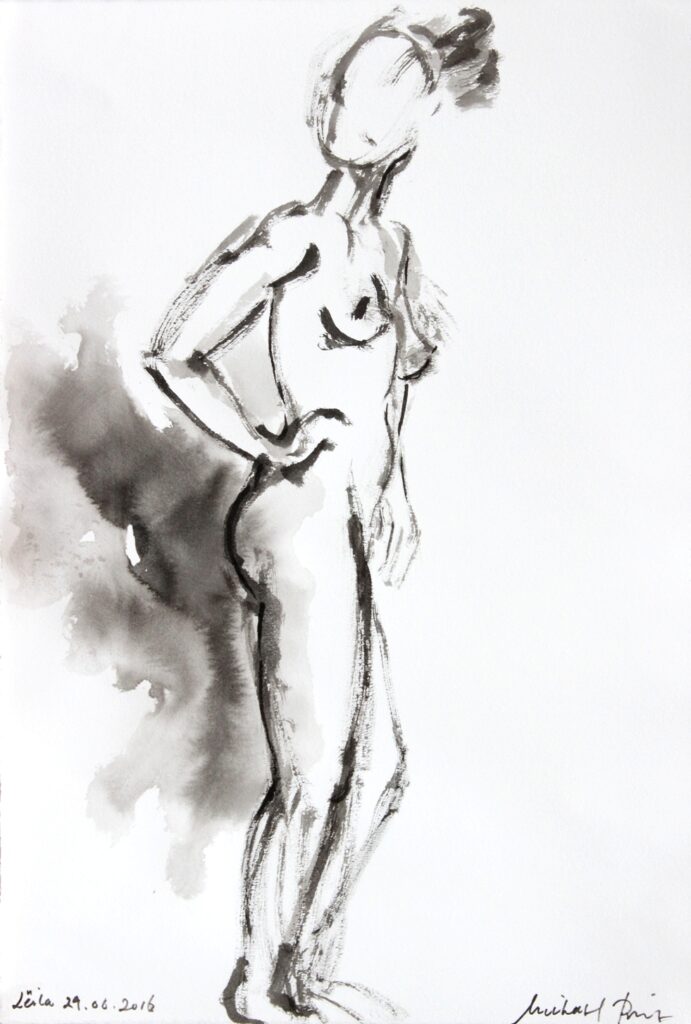
Drawing the figure or nude is not about representation per se, but allows perception and imagination to create their own memorable event.

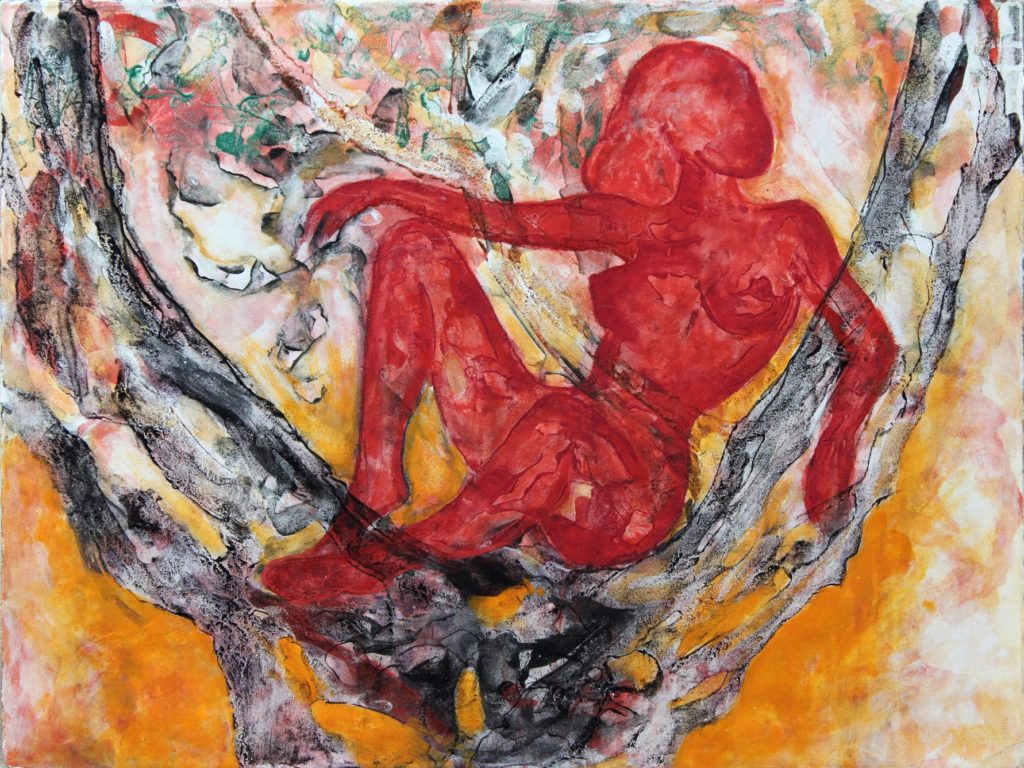
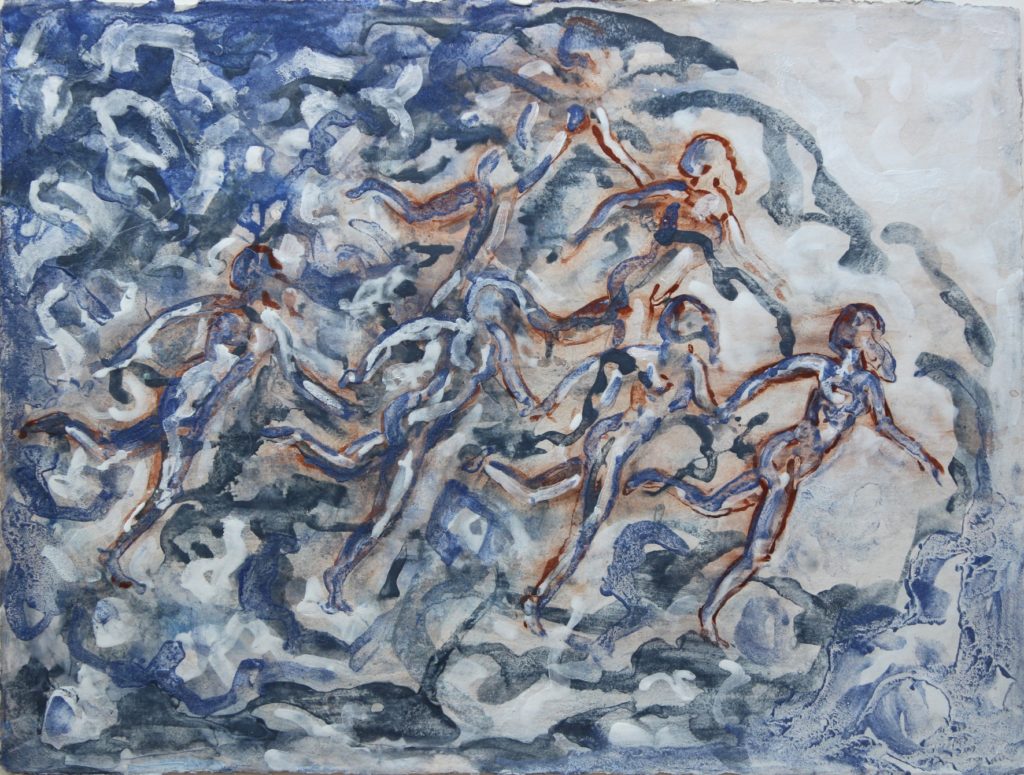
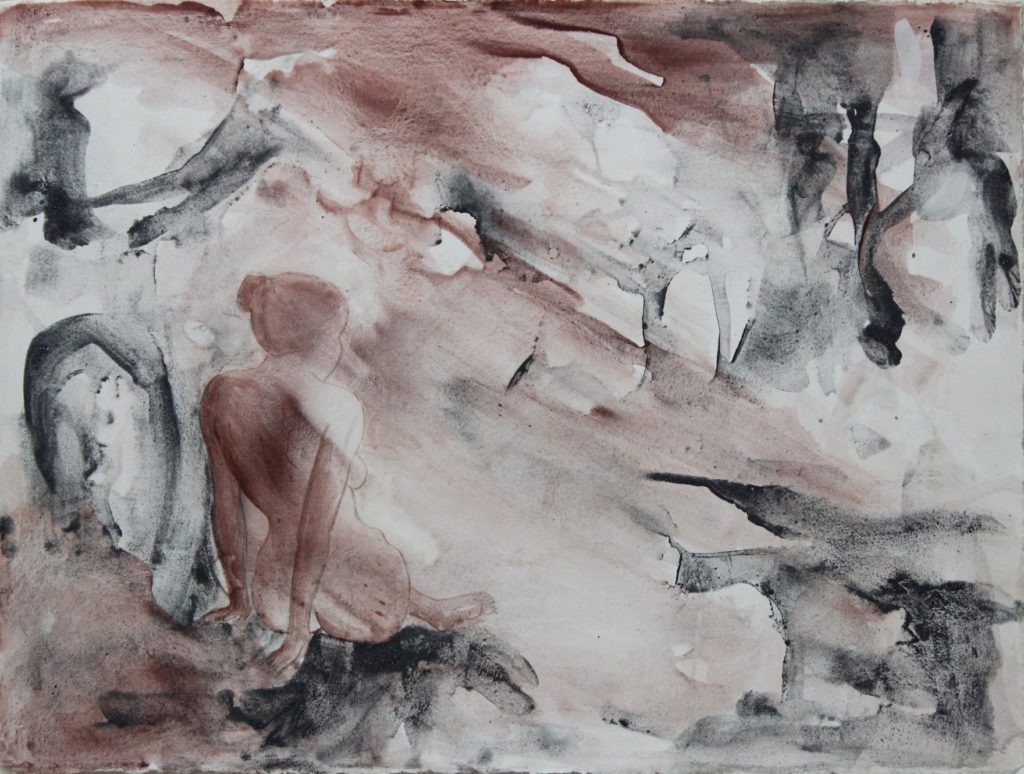
Paintings
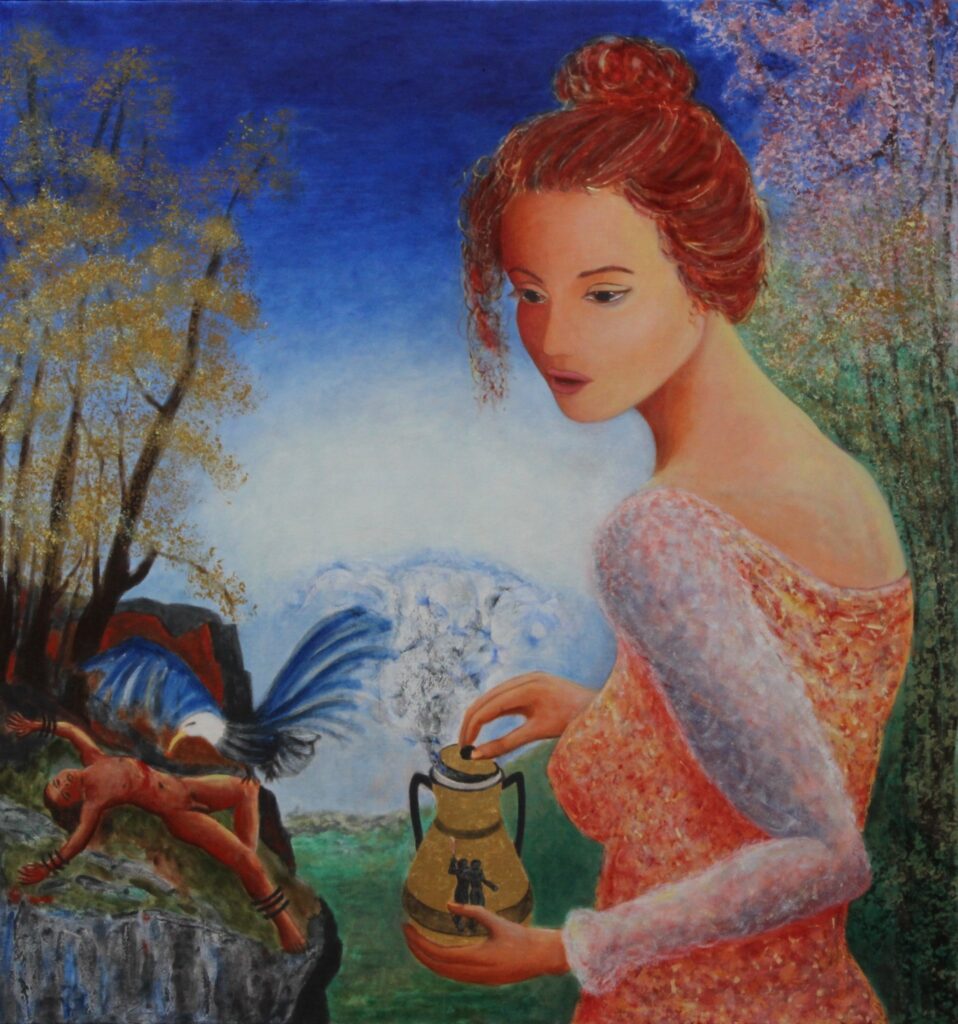
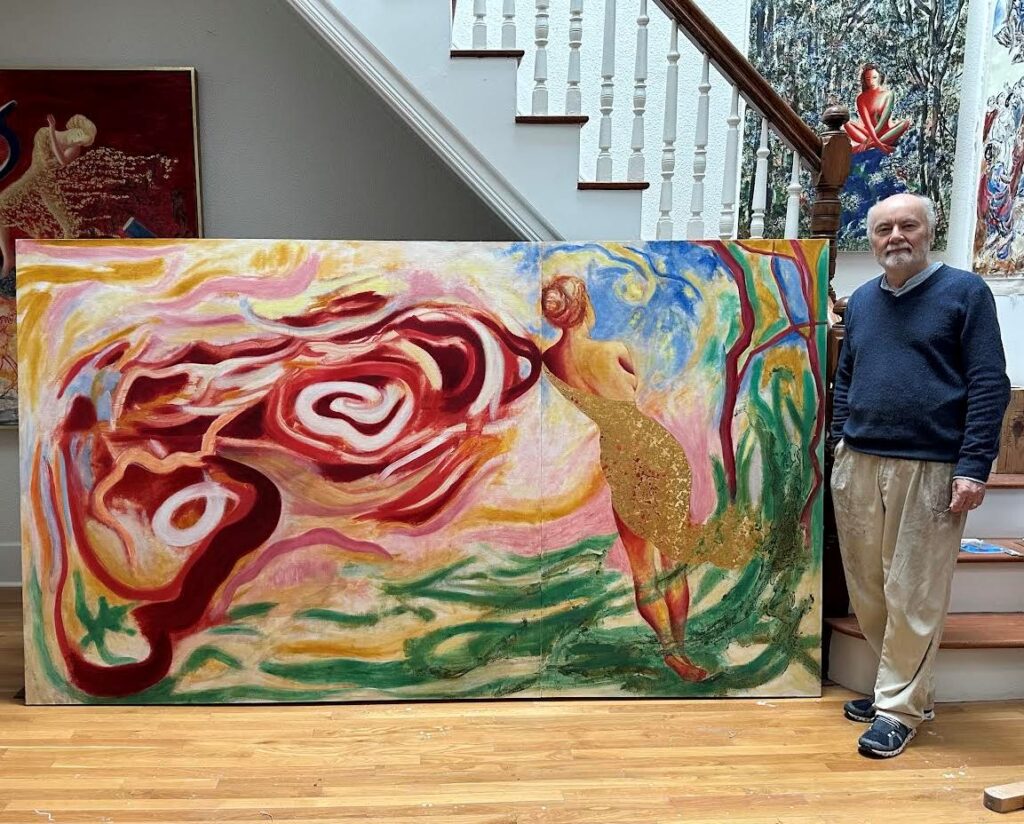
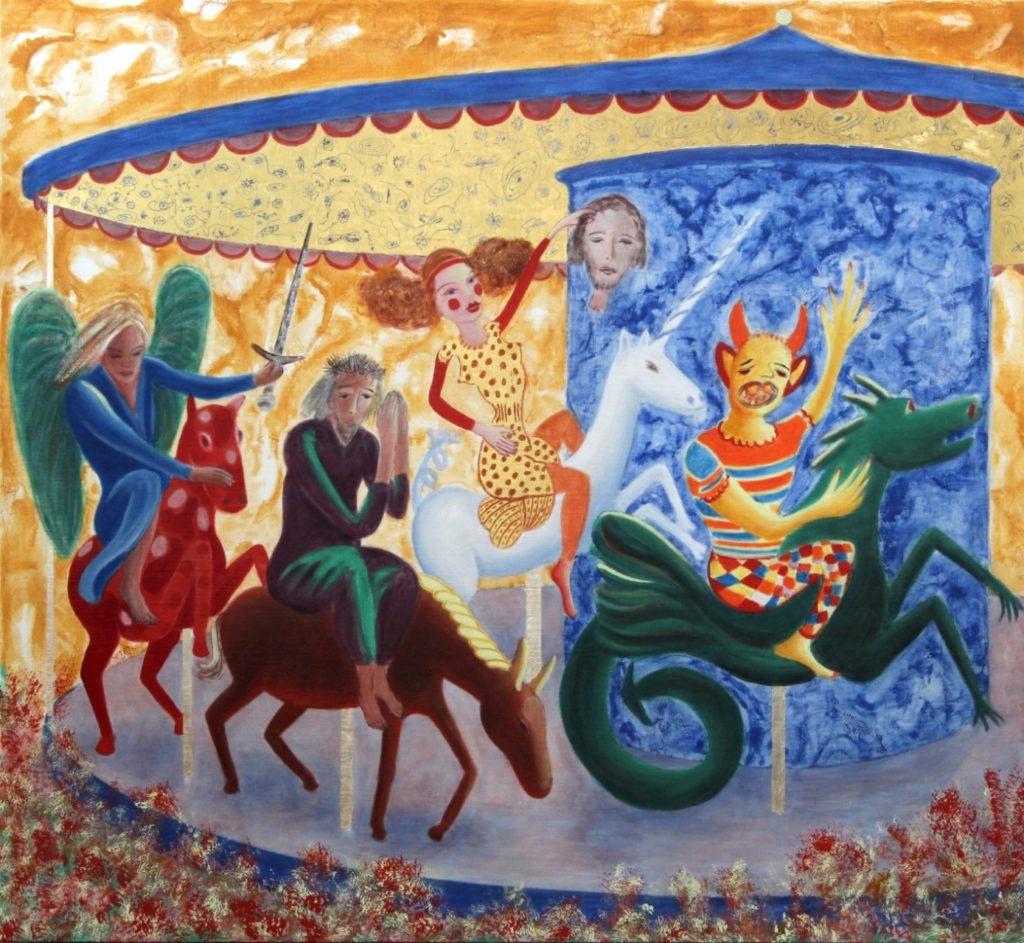
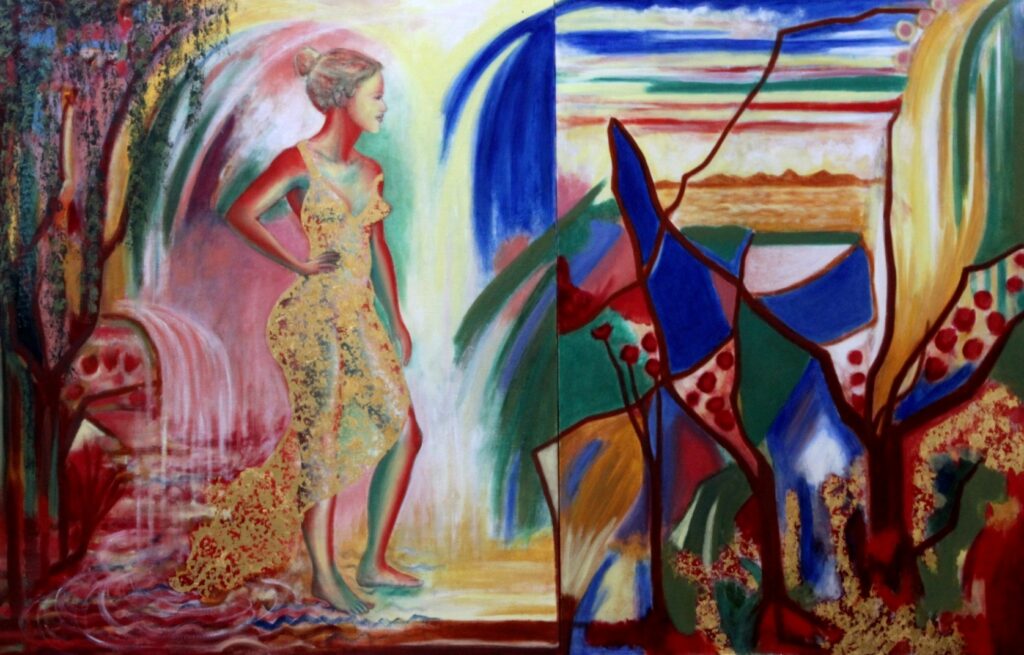
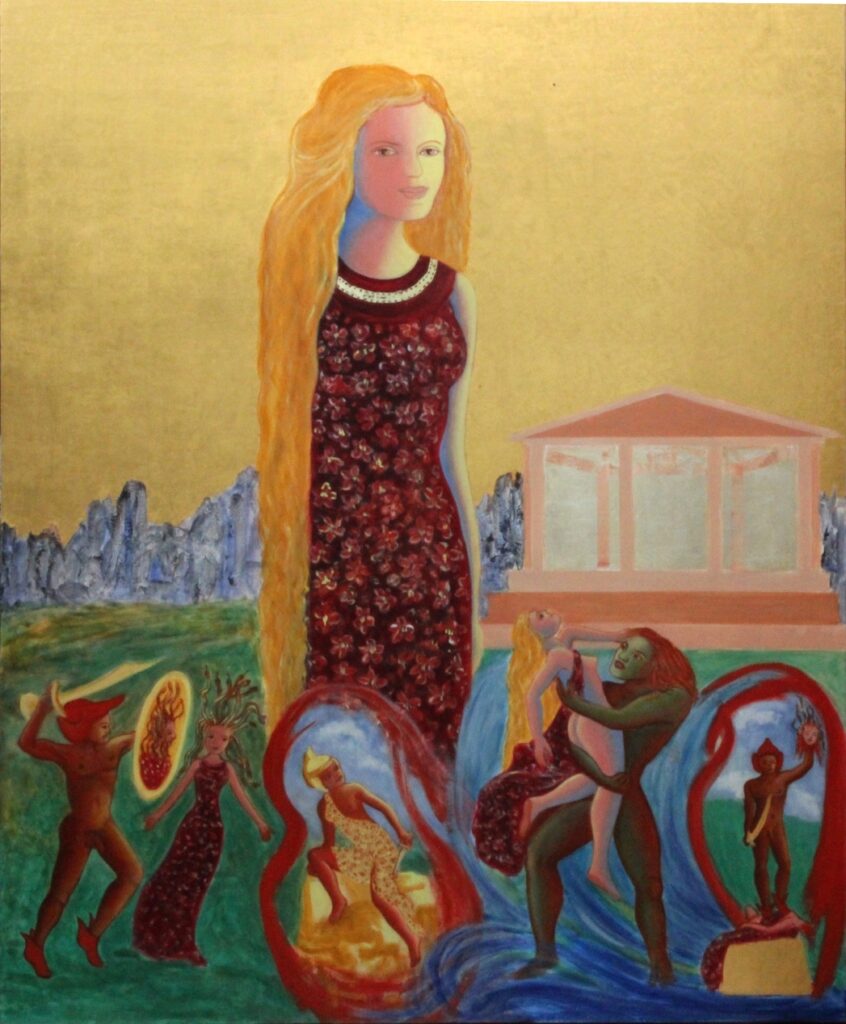
The chromatic figures and nudes explore an archetypal world where the real and imaginary fuse to create their own parallel universe.
Mineral Pigments and the Renaissance Tradition
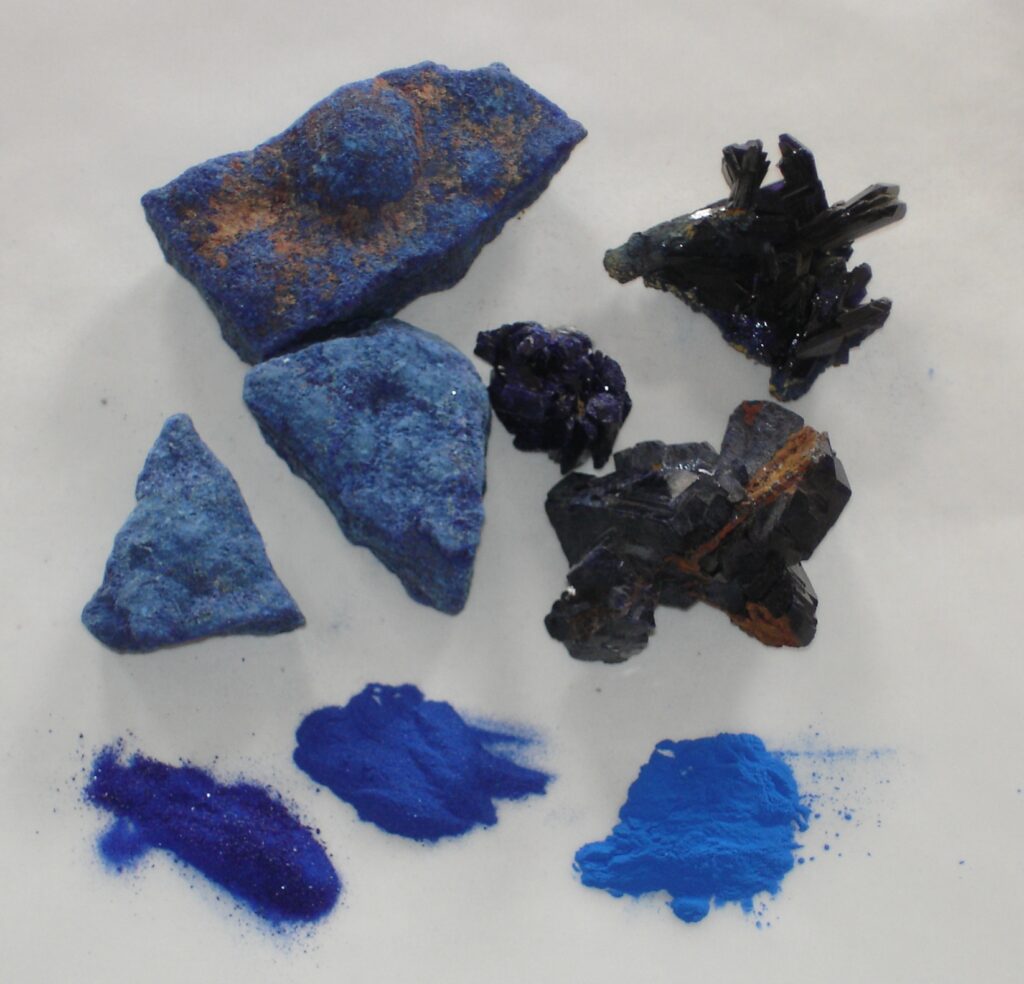
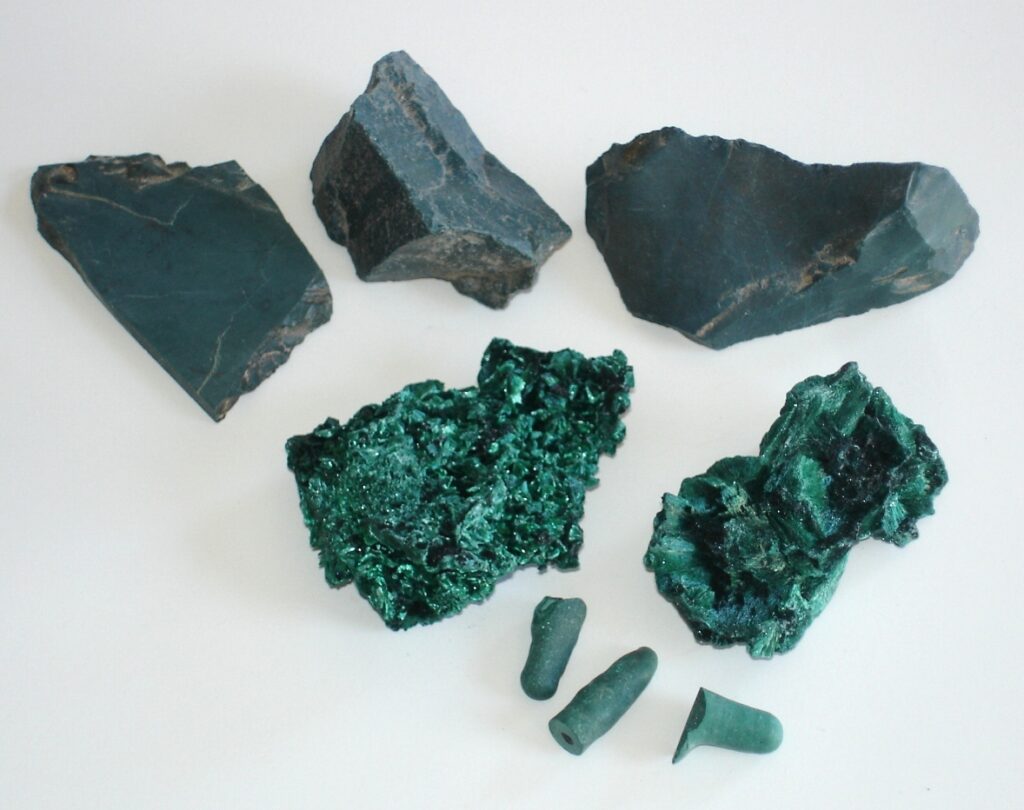
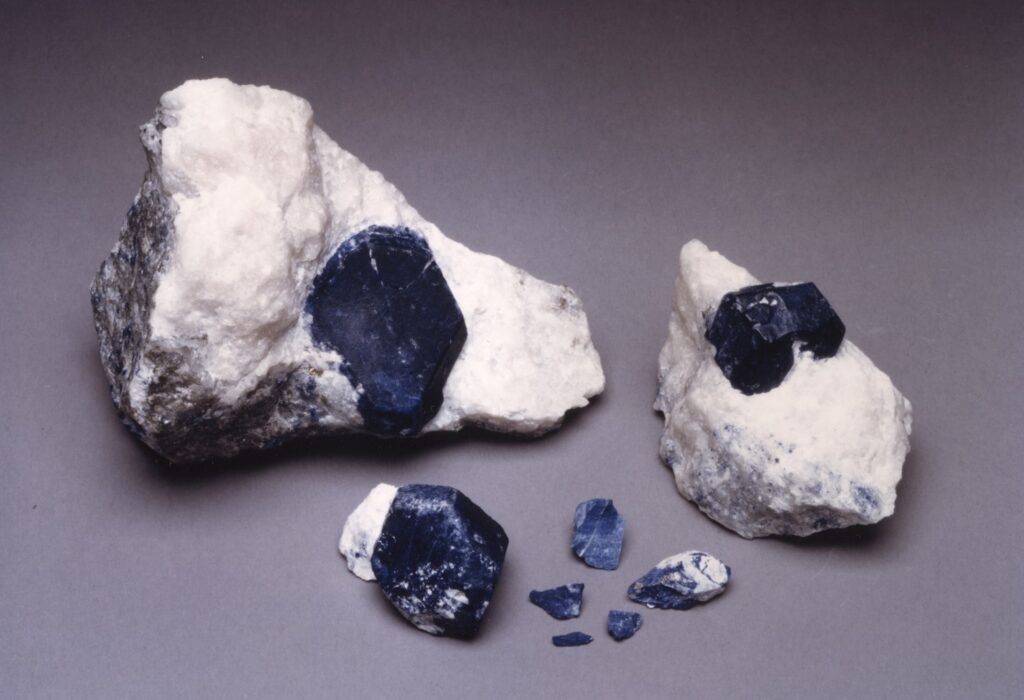
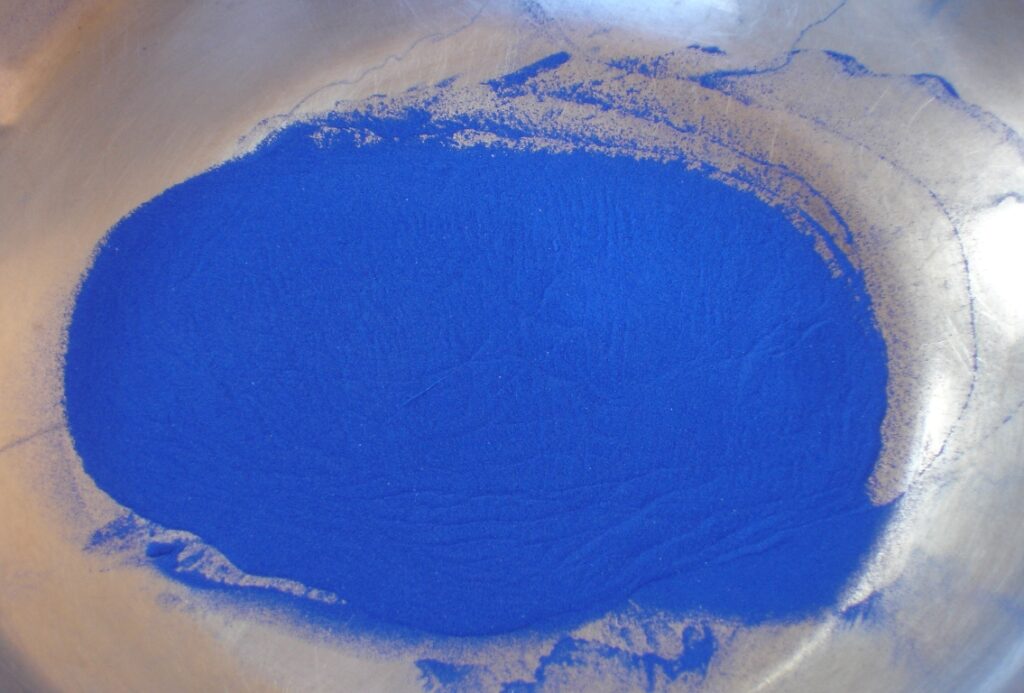
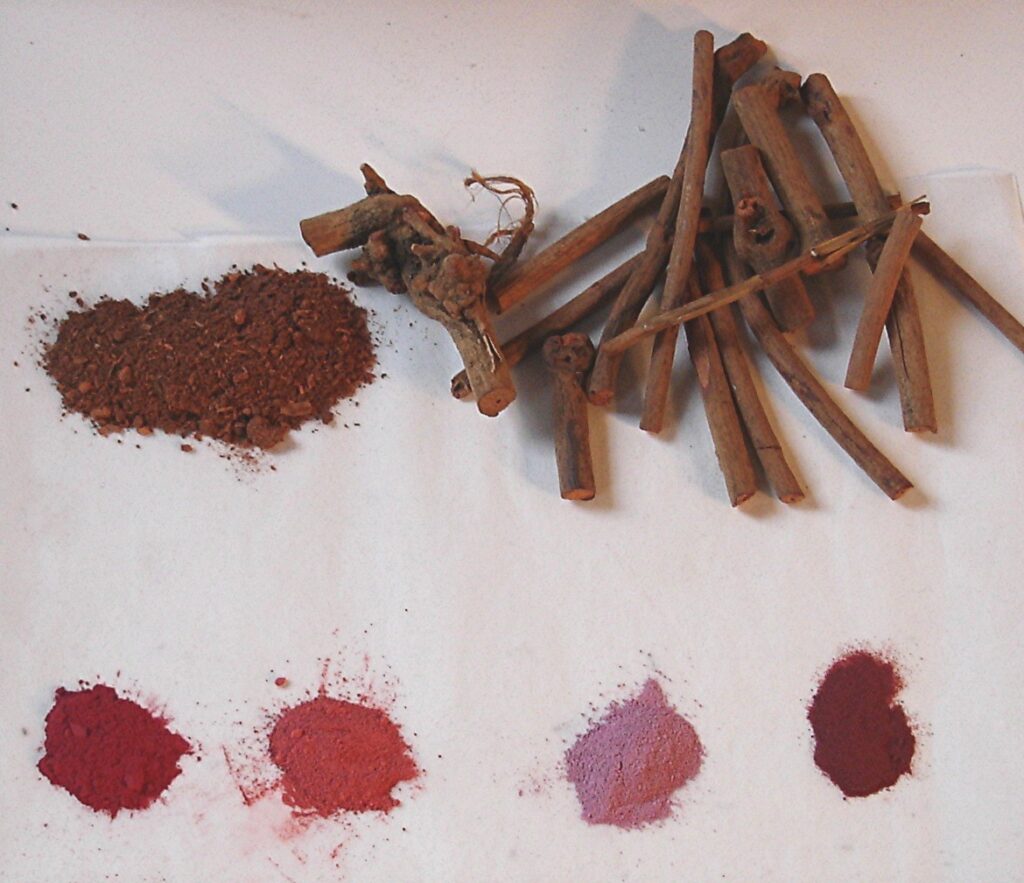
At the beginning of the 1990’s, Michael Price began to experiment with natural pigments. Within a decade, he developed a new protocol to produce natural ultramarine from lapis lazuli replacing Cennino Ceninni’s method from 1395. Price’s palette now includes sparkling pigments from azurite, malachite, cinnabar, stibnite to pyrolusite – some of the many colours which are unknown to the contemporary artist working with tube paint, whether oil, or acrylic.
Click on images to enlarge.
My Narrative
Recently, in June 2026, I returned to the Louvre to see the paintings of Nicolas Poussin once again, a reminder of where my artistic inspiration first began in 1974. After graduating from the London Central School of Art (now Central Saint Martins), I spent that summer making drawings from Poussin paintings in the London National Gallery. In 1976, I spent a year in the Netherlands, drawing from the works of Vermeer and Rembrandt.
By 1977, I had arrived in Munich. Within a year, I had found a studio in a spacious, inexpensive apartment just blocks from where Paul Klee and Wassily Kandinsky had once lived in the Schwabing district. There, I was finally able to move beyond drawing from the life model and studying art history to explore my own imagination. Since then, I have remained committed to figurative painting.
During the late 1980s, a conservation scientist at the Doerner Institute, the internationally renowned conservation institute in Munich, took great interest in my geometric analysis of a compositional drawing by Poussin, published in my Cologne exhibition catalogue, and invited me to examine the Institute’s recently restored painting by Tintoretto. X-ray and infrared analysis revealed compass holes and construction marks used to position life-size figures within the composition. Looking through the microscope, I saw the natural mineral pigments Tintoretto had used and their extraordinary beauty and brilliance, the very colours I had been searching for over so many years.
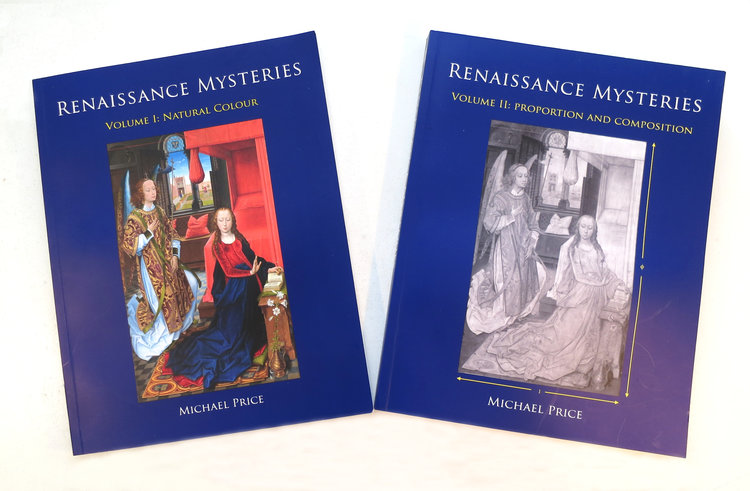
By 1990, captivated by the beauty of these natural mineral pigments, I committed myself to painting exclusively with them. Many years of experimentation and trial and error followed as I sought to rediscover the painting methods of the Renaissance masters, knowledge that had been lost over the centuries. Eventually, by 2008, I had not only reconstructed these techniques, but had also solved some of the most complex problems associated with the discoloration of some mineral pigments in oil binders. In 2017, Kremer Pigmente AG, Europe’s leading producer of natural pigments, financed the publication of my two volume book, ”Renaissance Mysteries”.
I came to New York in 1999, where my work has since been exhibited in galleries in the U.S. Art schools and universities in New York City, Munich, Dresden, Korea, and China have invited me to give lectures and to host studio visits, where students observe my techniques for preparing and painting with natural mineral pigments. My journey continues as I seek to unite the natural mineral pigments, geometric principles, and painting methods of the Renaissance with a contemporary and cross-cultural vision of figurative painting.
RENAISSANCE MYSTERIES
The two volumes, Natural Colour and Proportion and Composition are an in-depth examination of a lost painting tradition in the west due to industrialization during the nineteenth century. Pigments such as azurite and lapis lazuli were replaced with the synthetic pigments cobalt blue and French ultramarine.
Copyright © 2026 All rights reserved